17 Sloped Garden Landscaping Ideas That Turn Hillsides Into Stunning Outdoor Spaces
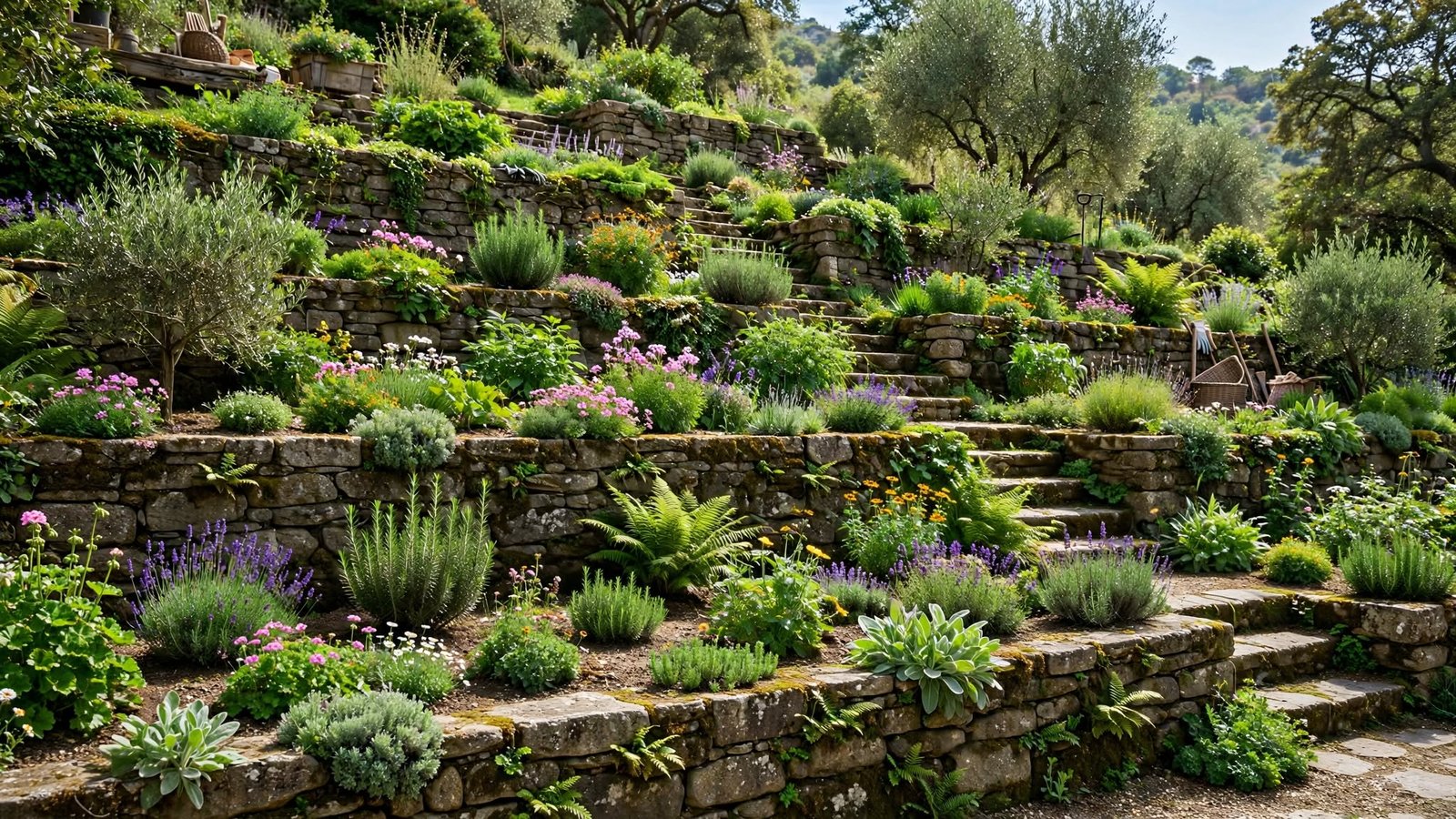
A steep backyard can feel like a problem, but sloped garden landscaping turns that challenge into your property’s most striking feature. Instead of fighting the grade, you can work with it to create terraces, cascading beds, and dramatic focal points that flat yards simply cannot match.
Whether your incline is gentle or dramatic, sloped garden landscaping offers endless creative possibilities, from stone retaining walls to winding pathways and layered plantings. The ideas below will help you visualize how to transform an awkward hillside into a beautiful, functional retreat.
Why sloped garden landscaping is worth the effort
A hillside is not a limitation, it is a design opportunity waiting to be shaped.
- Better Drainage: Slopes naturally shed water, reducing pooling and root rot in your beds.
- Dramatic Views: Elevation changes let you frame sightlines and create layered visual interest.
- Terraced Growing Space: Retaining walls convert unusable grade into flat, plantable platforms.
- Erosion Control: Strategic plantings and hardscaping hold soil in place during heavy rain.
- Defined Zones: Different levels separate dining, lounging, and gardening areas naturally.
- Statement Features: Waterfalls, stairways, and cascading plants shine on an incline.
- Increased Property Value: Well-executed sloped garden landscaping adds serious curb appeal.
- Privacy Potential: Raised terraces and tall plantings screen neighbors more effectively.
1. Terraced Stone Retaining Walls for sloped garden landscaping
Imagine turning a steep bank into a series of usable terraces with stacked stone walls. This classic approach to sloped garden landscaping creates flat planting beds at each level, making even a dramatic incline productive and easy to maintain throughout the growing season.
Each tier can hold different plants, from herbs near the kitchen to ornamental shrubs higher up, giving your sloped garden landscaping both beauty and purpose.
2. Cascading Flower Beds for Colorful sloped garden landscaping
Picture waves of color spilling down a hillside as flowers cascade from top to bottom. This style of sloped garden landscaping uses trailing perennials and ground covers that hug the contour, creating a living carpet that shifts with every season.
Choose drought-tolerant varieties for sunny slopes and moisture lovers for shaded ones, and your sloped garden landscaping will thrive with minimal fuss.
3. Natural Stone Pathways for sloped garden landscaping
Discover how stepping stones and flagstone paths make an incline walkable while adding texture and charm. Good sloped garden landscaping always considers circulation, and a gently winding path invites you to explore every corner of the yard.
Set stones into the grade with shallow steps where needed, and your sloped garden landscaping becomes as practical as it is picturesque.
4. Tiered Vegetable Gardens for Productive sloped garden landscaping
Consider raised beds stepped into the hillside to grow vegetables where flat ground is scarce. This smart sloped garden landscaping strategy gives each crop its own level, improving drainage and making harvests easier to reach without bending over steep ground.
With rich soil and full sun, terraced beds prove that sloped garden landscaping can be as productive as any traditional plot.
5. Rock Gardens and Alpine Plants for sloped garden landscaping
Anchor a rugged slope with boulders, gravel, and low-growing alpine plants that love sharp drainage. Rock gardens are a natural fit for sloped garden landscaping because they mimic the rocky hillsides where these species evolved, thriving where lawn would struggle.
Add creeping thyme and sedum between stones, and your sloped garden landscaping becomes a textural masterpiece year-round.
6. Wooden Deck Overlooks for sloped garden landscaping
Layer a multi-level deck into the hillside to capture views and expand your outdoor living space. This approach to sloped garden landscaping lets you step out from the house onto a platform that seems to float above the garden below.
Built-in seating and railings turn the deck into a destination, showing how sloped garden landscaping can blend architecture with nature.
7. Cascading Water Features for sloped garden landscaping
Build a stream or waterfall that uses gravity to move water from the top of the slope to a pond below. Water features are a signature move in sloped garden landscaping, adding sound, motion, and a sense of serenity that flat yards rarely achieve.
Line the banks with ferns and moss, and your sloped garden landscaping gains a lush, woodland character.
8. Native Grasses and Meadow Plantings for sloped garden landscaping
Bring movement and texture to a hillside with swaying native grasses and wildflowers. This low-maintenance style of sloped garden landscaping controls erosion with deep roots while creating habitat for pollinators and birds.
Mow a winding path through the meadow, and your sloped garden landscaping feels both wild and intentional.
9. Zigzag Stairways for sloped garden landscaping
Transform a steep climb into an elegant journey with switchback stairs that ease the grade. Smart sloped garden landscaping uses landings and turns to break up long flights, making the ascent comfortable while adding architectural interest to the hillside.
Plant low shrubs along the edges, and your sloped garden landscaping stairway becomes a feature in its own right.
10. Sunken seating areas for intimate sloped garden landscaping
Frame a cozy conversation pit by excavating into the slope and surrounding it with retaining walls. This clever sloped garden landscaping trick creates shelter from wind and a sense of enclosure, perfect for evening gatherings around a fire pit.
Add built-in benches and soft lighting, and your sloped garden landscaping delivers a truly memorable social space.
11. Layered Shrub Borders for sloped garden landscaping
Explore how tiers of shrubs, from low ground covers to tall specimens, create depth and privacy on a slope. Layering is fundamental to great sloped garden landscaping because it echoes the natural contours of the land and hides bare soil.
Mix evergreens with flowering varieties, and your sloped garden landscaping stays interesting through every season.
12. Slope-Friendly Lighting for evening sloped garden landscaping
Shape the mood after dark with path lights, uplights, and step lights that follow the grade. Thoughtful lighting is essential to sloped garden landscaping because it guides movement, highlights key plants, and prevents trips on uneven ground.
Warm, low-level fixtures make your sloped garden landscaping glow softly, extending the hours you can enjoy it.
13. Mulched Switchback Beds for sloped garden landscaping
Define planting beds that follow the slope in gentle curves, edged with stone or timber and topped with mulch. This organic approach to sloped garden landscaping slows water runoff and gives the eye a soft, flowing line to follow.
Fill the beds with drought-tolerant perennials, and your sloped garden landscaping stays lush with less watering.
14. Hillside Fire Pit Retreats for sloped garden landscaping
Introduce a fire pit perched on a terraced pad, surrounded by seating and sheltered by the slope behind it. This is one of the most rewarding sloped garden landscaping ideas because it turns an unused hillside into a gathering place for cool evenings.
Add a gravel or flagstone surround, and your sloped garden landscaping becomes a year-round destination.
15. Suspended Planters and Vertical Gardens for sloped garden landscaping
Suspend planters from retaining walls or trellises to green up vertical surfaces on the slope. Vertical growing is a smart sloped garden landscaping technique that maximizes every square foot, especially where ground space is limited.
Trailing herbs and ferns spill over the edges, giving your sloped garden landscaping a lush, layered look.
16. Ground Cover Carpets for low-maintenance sloped garden landscaping
Ground a steep bank with dense, spreading ground covers like creeping juniper, vinca, or moss. These plants are the workhorses of sloped garden landscaping, knitting the soil together and suppressing weeds without constant mowing.
Once established, your sloped garden landscaping practically maintains itself while looking beautifully green.
17. Position Statement Trees for sloped garden landscaping
Position a specimen tree at the crest or base of the slope to anchor the composition and draw the eye. Great sloped garden landscaping uses vertical elements to balance horizontal terraces, giving the hillside a clear focal point.
Choose a species with year-round interest, and your sloped garden landscaping gains a living sculpture at its heart.
Frequently Asked Questions
Q. What is the best way to start sloped garden landscaping on a very steep hill?
Ans. Begin sloped garden landscaping with terraces or retaining walls to create stable, flat planting zones before adding plants.
Q. How do I prevent erosion in sloped garden landscaping?
Ans. Use deep-rooted ground covers, mulch, and strategic hardscaping to hold soil in place within your sloped garden landscaping.
Q. Can sloped garden landscaping work on a small budget?
Ans. Yes, simple sloped garden landscaping with native plants, mulch, and a few stone steps can be affordable and effective.
Conclusion
Sloped garden landscaping transforms a difficult grade into one of your yard’s greatest assets. From terraced beds and cascading water features to winding paths and fire pit retreats, the ideas above show how elevation can be embraced rather than fought.
Start with drainage and structure, then layer in plants and features that suit your climate and lifestyle. With thoughtful sloped garden landscaping, even the steepest backyard becomes a beautiful, usable outdoor space.