23 Vintage Garden Painting Ideas for a Timeless Outdoor Aesthetic
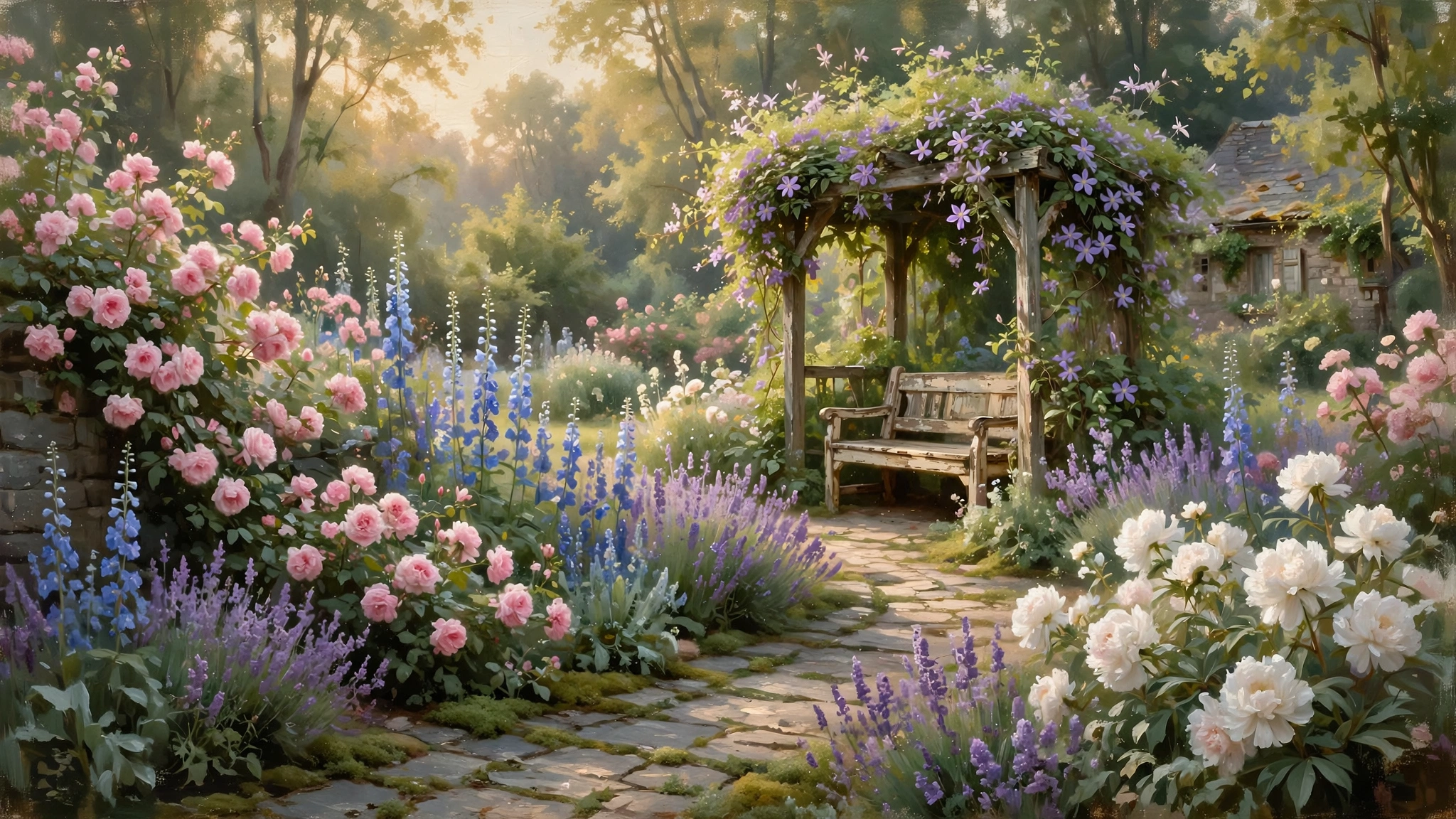
A vintage garden painting brings the charm of yesteryear into your home, blending botanical beauty with nostalgic brushstrokes. Whether you prefer watercolor florals or rustic landscapes, these artistic pieces offer a serene escape from modern decor trends.
Exploring a vintage garden painting collection allows you to curate a space that feels lived-in and romantic. From cottagecore prints to impressionistic garden scenes, each piece tells a story of nature’s enduring elegance and artistic heritage.
Embracing the Romance of a Vintage Garden Painting
A guide to selecting and styling vintage-inspired botanical art.
- Choose a Focal Point: Let your vintage garden painting anchor the room’s color palette and mood.
- Mix Frames: Pair ornate gold frames with distressed wood for eclectic charm.
- Layer Textures: Combine canvas prints with linen textiles and aged pottery.
- Consider Scale: A large vintage garden painting works well above a mantel or sofa.
- Create a Gallery Wall: Cluster smaller botanical prints around your main piece.
- Use Soft Lighting: Highlight the painting with warm, diffused light to enhance its patina.
- Rotate Seasonally: Swap out pieces to reflect different blooms and garden moods.
- Pair with Antiques: Display your art alongside vintage furniture for a cohesive look.
1. Imagine a Vintage Garden Painting in Soft Pastels
Imagine a vintage garden painting rendered in soft pastel hues of lavender, blush, and sage. This gentle palette evokes the tranquility of an English cottage garden at dawn, making it ideal for a bedroom or reading nook. The faded quality of the pigments adds a dreamlike atmosphere that soothes the senses.
This vintage garden painting style pairs beautifully with whitewashed furniture and sheer curtains. Its muted tones allow the artwork to blend seamlessly into a shabby chic or farmhouse interior, creating a cohesive and calming visual narrative.
2. Picture a Vintage Garden Painting with Wildflower Meadows
Picture a vintage garden painting bursting with wildflowers like poppies, daisies, and cornflowers. The untamed arrangement captures the free-spirited beauty of a meadow in full bloom, bringing a sense of joyful abandon to your decor. The textured brushwork adds depth and movement to the scene.
This vintage garden painting works wonderfully in a sunroom or kitchen, where its vibrant energy can brighten the space. Pair it with natural wood accents and woven baskets to enhance the organic, pastoral feel of the artwork.
3. Discover a Vintage Garden Painting Featuring Roses
Discover a vintage garden painting centered on climbing roses in shades of crimson and cream. This classic subject matter evokes Victorian-era botanical illustrations, lending an air of refinement and romance to any room. The intricate petal details reward close inspection.
Framed in an ornate gold leaf frame, this vintage garden painting becomes a statement piece for a formal dining room or entryway. Its timeless subject ensures it remains a cherished part of your collection for years to come.
4. Consider a Vintage Garden Painting with Lavender Fields
Consider a vintage garden painting depicting endless lavender fields under a hazy Provencal sky. The rhythmic rows of purple create a soothing pattern that promotes relaxation and mindfulness. The impressionistic style adds a soft, almost poetic quality to the landscape.
This vintage garden painting is perfect for a meditation space or master bedroom. Use it to introduce a calm, aromatic ambiance without relying on actual scents, letting the visual serenity do the work.
5. Anchor a Vintage Garden Painting in a Dark Frame
Anchor a vintage garden painting within a deep ebony frame to create a striking contrast against light walls. The dark border draws the eye inward, emphasizing the delicate floral details and subtle color gradations. This framing choice adds a touch of modern sophistication to the antique subject.
This vintage garden painting approach works best in a minimalist or contemporary setting. The juxtaposition of old-world charm and clean lines creates a dynamic visual tension that feels curated and intentional.
6. Layer a Vintage Garden Painting with Textiles
Layer a vintage garden painting against a backdrop of linen drapes and a wool throw for a cozy, lived-in feel. The tactile contrast between the smooth canvas and soft fabrics enriches the sensory experience of the room. This technique works especially well in rustic or farmhouse interiors.
This vintage garden painting becomes part of a broader narrative when layered with complementary textures. Choose textiles that echo the painting’s color palette to create a harmonious and inviting atmosphere throughout the space.
7. Build a Vintage Garden Painting Gallery Wall
Build a vintage garden painting gallery wall by grouping several smaller botanical prints around a larger central piece. This arrangement creates a curated, salon-style display that tells a cohesive story about your love for nature. Vary the frame styles for added visual interest.
This vintage garden painting collection can be arranged symmetrically or in an organic cluster. Use painter’s tape to map out the layout on the wall before hanging to ensure a balanced and professional result.
8. Bring a Vintage Garden Painting into a Sunroom
Bring a vintage garden painting into a sunroom where natural light can enhance its faded, sun-kissed tones. The bright environment mimics the outdoor setting depicted in the artwork, creating a seamless transition between interior and exterior. Choose pieces with yellow or gold undertones for maximum glow.
This vintage garden painting will thrive in a space filled with potted plants and wicker furniture. The combination of real greenery and painted flora blurs the line between art and life, making the room feel like an extension of the garden.
9. Transform a Vintage Garden Painting with a Statement Frame
Transform a vintage garden painting by choosing a bold, oversized frame in a contrasting color like deep teal or burnt orange. The frame becomes an integral design element, elevating the artwork from simple decor to a focal point. This technique adds drama and personality to the piece.
This vintage garden painting approach is ideal for a hallway or powder room where you want to make a strong impression. The unexpected frame color will draw guests in and spark conversation about your artistic choices.
10. Frame a Vintage Garden Painting in a Circular Frame
Frame a vintage garden painting in a circular frame to mimic the view through a garden window or magnifying glass. This unconventional shape softens the rigid lines of a room and adds a whimsical, vintage-curiosity-cabinet feel. The round format works especially well with tightly composed floral arrangements.
This vintage garden painting presentation is perfect for a child’s room or a creative studio. The circular boundary invites the eye to wander within the frame, encouraging a more intimate and focused appreciation of the botanical details.
11. Explore a Vintage Garden Painting with Butterflies
Explore a vintage garden painting that includes butterflies fluttering among the blossoms. These delicate creatures add a layer of movement and life to the scene, suggesting a warm summer day. The inclusion of insects aligns with the naturalist tradition of detailed botanical illustration.
This vintage garden painting appeals to nature lovers and collectors of entomological art. Display it in a study or library where its intricate details can be appreciated up close, perhaps alongside pressed flower specimens or antique field guides.
12. Shape a Vintage Garden Painting into a Triptych
Shape a vintage garden painting into a triptych by selecting three related panels that form a continuous landscape. This format creates a panoramic view that stretches across the wall, ideal for above a sofa or console table. The segmented presentation adds a sense of narrative progression.
This vintage garden painting arrangement allows you to cover more wall space with a cohesive theme. Ensure the panels are hung at equal intervals to maintain the flow of the image and preserve the intended visual rhythm.
13. Define a Vintage Garden Painting with a Mat Board
Define a vintage garden painting with a wide, acid-free mat board to give the artwork breathing room and prevent it from feeling cramped. The mat creates a visual buffer that emphasizes the painting’s composition and protects it from contact with the glass. Choose a cream or off-white mat for a classic look.
This vintage garden painting presentation is essential for preserving the value of original prints. The mat also allows you to fit smaller artworks into larger frames, giving you more flexibility with your framing options.
14. Introduce a Vintage Garden Painting in a Bathroom
Introduce a vintage garden painting into a bathroom to soften the clinical feel of tiles and fixtures. The botanical subject matter complements the organic elements of a spa-like retreat, promoting relaxation during baths. Ensure the piece is properly sealed behind glass to protect it from humidity.
This vintage garden painting placement adds a touch of elegance to a room often overlooked for art. Choose water-resistant frames and consider using a print rather than an original to avoid damage from moisture.
15. Suspend a Vintage Garden Painting on a Picture Rail
Suspend a vintage garden painting from a picture rail using chains or decorative cords for a traditional, old-world display. This hanging method adds architectural interest and allows you to easily adjust the height of the artwork. The chains themselves become a decorative element.
This vintage garden painting installation is ideal for homes with high ceilings or historic moldings. The suspended look evokes Victorian and Edwardian interiors, reinforcing the antique character of the artwork itself.
16. Ground a Vintage Garden Painting with a Console Table
Ground a vintage garden painting by hanging it low above a console table, allowing the furniture to anchor the composition. Place a vase of fresh flowers or a stack of antique books on the table to echo the painting’s subject. This creates a layered vignette that feels curated and intentional.
This vintage garden painting styling works well in an entryway or hallway. The table provides a surface for practical items while the artwork above sets the tone for the rest of the home.
17. Position a Vintage Garden Painting Above a Fireplace
Position a vintage garden painting above a fireplace mantel to make it the undisputed focal point of the room. The heat from the hearth will not damage the artwork if it is properly framed and sealed. Choose a painting with warm tones to complement the fire’s glow.
This vintage garden painting placement draws the eye upward and balances the visual weight of the fireplace. Ensure the painting is proportionate to the mantel, typically occupying two-thirds to three-quarters of its width.
18. Fill a Vintage Garden Painting with Cottage Garden Favorites
Fill a vintage garden painting with cottage garden favorites like hollyhocks, foxgloves, and delphiniums for a quintessential English look. These tall, spiky flowers create vertical interest and a sense of abundance. The crowded composition mimics the lush, informal style of a traditional cottage border.
This vintage garden painting theme is beloved by those who adore the romantic, slightly overgrown aesthetic of classic cottage gardens. Display it in a kitchen or breakfast nook to start your day with a burst of floral cheer.
19. Place a Vintage Garden Painting in a Reading Nook
Place a vintage garden painting in a reading nook to create a serene escape for quiet contemplation. The natural imagery provides a restful focal point for the eyes between chapters. Choose a painting with cool greens and blues to promote a calm, focused mindset.
This vintage garden painting setting benefits from a comfortable armchair and a small side table for tea. The artwork becomes a window into a peaceful garden, enhancing the nook’s purpose as a retreat from daily life.
20. Craft a Vintage Garden Painting with Watercolor Washes
Craft a vintage garden painting using loose watercolor washes that allow the pigments to bleed and blend organically. This technique creates a soft, ethereal quality that feels spontaneous and alive. The unpainted white areas suggest light filtering through leaves and petals.
This vintage garden painting style is particularly suited to impressionistic or abstract interpretations. The fluidity of the medium captures the ephemeral beauty of flowers in a way that rigid lines cannot achieve.
21. Draw a Vintage Garden Painting with Charcoal Accents
Draw a vintage garden painting that combines watercolor with charcoal linework for a mixed-media effect. The dark outlines define the forms and add a graphic, illustrative quality to the botanical subjects. This technique bridges the gap between painting and drawing.
This vintage garden painting approach appeals to those who appreciate a more structured, hand-drawn look. It pairs well with modern interiors that need a touch of organic warmth without becoming overly sentimental.
22. Elevate a Vintage Garden Painting with Gold Leaf Details
Elevate a vintage garden painting by incorporating gold leaf accents into the foliage or flower centers. The shimmering metal catches the light and adds a luxurious, almost sacred quality to the artwork. This technique is reminiscent of illuminated manuscripts and medieval art.
This vintage garden painting style is ideal for formal living rooms or spaces that celebrate opulence. The gold highlights will shift and glow throughout the day, making the painting a dynamic presence in the room.
23. Reveal a Vintage Garden Painting in a Clustered Display
Reveal a vintage garden painting as part of a clustered display that includes mirrors, plates, and other wall decor. This eclectic arrangement creates a maximalist look that feels collected over time. The painting should be the largest piece in the cluster to serve as the anchor.
This vintage garden painting styling is perfect for those who love to layer patterns and eras. The cluster approach allows you to incorporate multiple interests and memories into a single, visually rich composition on the wall.
Frequently Asked Questions
Q. How do I choose the right frame for a vintage garden painting?
Ans. Choose a frame that complements the era of the vintage garden painting, such as ornate gold for Victorian pieces or distressed wood for rustic scenes.
Q. Can I display a vintage garden painting in a humid room like a bathroom?
Ans. Yes, but ensure the vintage garden painting is sealed behind glass and use a moisture-resistant frame to prevent damage from humidity.
Q. What colors work best with a vintage garden painting in a living room?
Ans. Soft neutrals, sage greens, and warm creams complement a vintage garden painting while allowing the artwork to remain the focal point of the room.
Conclusion
Incorporating a vintage garden painting into your home decor is a beautiful way to celebrate the enduring charm of nature and art. From choosing the perfect frame to arranging a gallery wall, each decision helps you create a space that feels personal and timeless.
Whether you prefer watercolor wildflowers or detailed botanical studies, a vintage garden painting offers endless possibilities for creative expression. Let these 23 ideas inspire you to bring a touch of nostalgic beauty into your everyday surroundings.