21 Serene Japanese Dry Garden Ideas for Tranquil Spaces
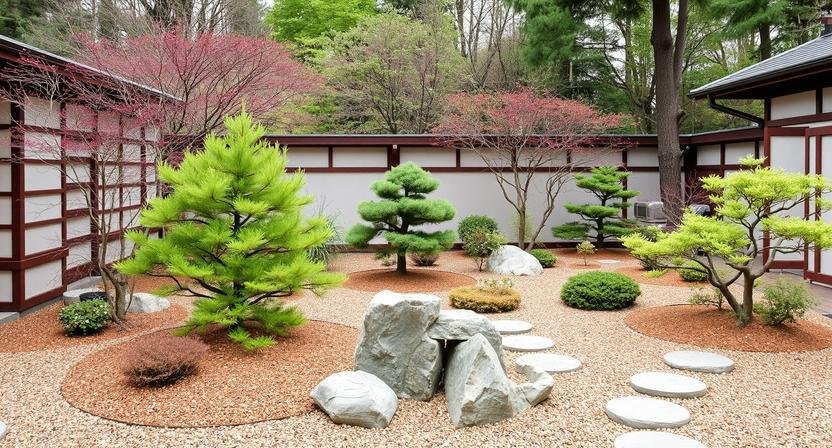
A japanese dry garden, also known as karesansui, is a minimalist landscape that uses gravel, rocks, and moss to evoke the essence of nature. These gardens are designed to promote meditation and calm, making them perfect for modern homes seeking a peaceful retreat.
Creating a japanese dry garden in your own yard or indoor space allows you to connect with ancient Zen principles. Whether you have a sprawling backyard or a small balcony, these 21 ideas will help you design a harmonious and contemplative environment.
Understanding the Core of a Japanese Dry Garden
A guide to the essential elements and principles.
- Rake Patterns: Use a wooden rake to create flowing lines in the gravel.
- Rock Placement: Position stones to represent islands or mountains.
- Moss Ground Cover: Incorporate moss for texture and a sense of age.
- Minimal Plantings: Limit greenery to a few carefully chosen shrubs.
- Bamboo Fencing: Add a bamboo fence for enclosure and authenticity.
- Stepping Stones: Place stones to guide the eye and the walker.
- Water Symbolism: Use gravel to mimic the flow of rivers or oceans.
1. Imagine a japanese dry garden with a single standing stone
Imagine a japanese dry garden centered on a single, vertical standing stone to create a focal point. This minimalist approach draws the eye upward and encourages contemplation of nature’s raw beauty.
The gravel around the stone is raked in concentric circles, emphasizing its importance. A japanese dry garden like this is perfect for a small courtyard or meditation nook.
2. Picture a japanese dry garden with a flowing gravel river
Picture a japanese dry garden where a wide swath of white gravel curves through the space like a gentle river. The raked lines create a sense of movement and fluidity that is calming to observe.
Large, flat stones placed along the “banks” serve as stepping stones. This japanese dry garden design brings the essence of water into a dry landscape beautifully.
3. Discover a japanese dry garden framed by a wooden veranda
Discover a japanese dry garden that extends from a traditional wooden veranda, blurring the line between indoor and outdoor living. The elevated view allows you to fully appreciate the raked patterns and rock formations.
The veranda provides a shaded space for tea or meditation. A japanese dry garden integrated with architecture creates a seamless flow of tranquility.
4. Consider a japanese dry garden with islands of moss
Consider a japanese dry garden where clusters of lush green moss form soft islands within a sea of gray gravel. This contrast between the smooth stones and the velvety moss adds depth and life.
Small rocks are nestled into the moss to suggest tiny mountain peaks. A japanese dry garden using moss is ideal for shady areas where grass struggles to grow.
5. Anchor a japanese dry garden with a large granite boulder
Anchor a japanese dry garden with a single, large granite boulder that has a weathered and textured surface. Its presence grounds the entire composition and provides a sense of permanence.
The gravel around it is raked in straight lines to contrast with the boulder’s organic form. This japanese dry garden design is a powerful statement of simplicity.
6. Layer a japanese dry garden with different gravel colors
Layer a japanese dry garden using two or three different colors of gravel to define distinct zones. A dark gray path might lead to a light beige area representing a sandy beach.
This technique adds visual interest without introducing plants. A japanese dry garden with layered gravel can tell a story of a journey through a landscape.
7. Build a japanese dry garden around a central rock grouping
Build a japanese dry garden with a triad of stones arranged in an asymmetrical cluster. This classic grouping represents heaven, earth, and humanity in Zen philosophy.
The surrounding gravel is meticulously raked to emphasize the grouping’s importance. A japanese dry garden using this triad creates a deeply symbolic focal point.
8. Bring a japanese dry garden to life with a bamboo water feature
Bring a japanese dry garden to life by adding a small bamboo water spout that trickles into a stone basin. The gentle sound of water enhances the meditative quality of the space.
Even though it is a dry garden, a subtle water element can be a wonderful accent. A japanese dry garden with water creates a multi-sensory experience of peace.
9. Transform a japanese dry garden into a miniature landscape
Transform a japanese dry garden into a miniature world by using dwarf shrubs and small rocks. This approach is perfect for a tabletop or a very small corner of a patio.
The raked gravel becomes a vast ocean, and the rocks become distant mountains. A japanese dry garden in miniature form is a delightful and portable art piece.
10. Frame a japanese dry garden with a simple wooden gate
Frame a japanese dry garden with a rustic wooden gate that invites you to enter a separate, sacred space. The gate acts as a threshold between the busy world and your Zen retreat.
Beyond the gate, the gravel and stones await your contemplation. A japanese dry garden with a gate creates a powerful sense of arrival and transition.
11. Explore a japanese dry garden with a curved gravel path
Explore a japanese dry garden where a winding gravel path leads the eye on a journey through the composition. The curves soften the landscape and encourage a slow, mindful pace.
Large stepping stones are set into the path for walking. A japanese dry garden with a curved path is both functional and visually engaging.
12. Shape a japanese dry garden with a border of clipped hedges
Shape a japanese dry garden by enclosing it with low, clipped boxwood hedges that provide a crisp, green border. The hedges contrast with the loose gravel and add structure.
This formal edge keeps the garden contained and neat. A japanese dry garden with hedges is ideal for a more structured or contemporary home exterior.
13. Define a japanese dry garden with a stone lantern
Define a japanese dry garden by placing a traditional stone lantern near the edge of the raked gravel. The lantern adds height and a historical element to the modern design.
It can be lit at dusk to cast soft shadows across the stones. A japanese dry garden with a lantern feels timeless and connected to ancient traditions.
14. Introduce a japanese dry garden with a gravel and rock border
Introduce a japanese dry garden as a border along a walkway or driveway to soften hardscapes. A narrow strip of raked gravel with a few well-placed rocks can transform a path.
This is an easy way to incorporate Zen principles into existing landscaping. A japanese dry garden border is a low-maintenance way to add tranquility.
15. Suspend a japanese dry garden in a raised wooden planter
Suspend a japanese dry garden in a large, shallow wooden planter that sits on a deck or patio. This raised design brings the garden up to eye level for closer appreciation.
It is a perfect solution for renters or those with limited ground space. A japanese dry garden in a planter is portable and easy to maintain.
16. Ground a japanese dry garden with a base of dark pebbles
Ground a japanese dry garden using small, dark river pebbles instead of traditional light gravel. The deep color provides a dramatic backdrop for lighter rocks and moss.
Raking patterns are still visible, but the overall mood is more subdued. A japanese dry garden with dark pebbles feels modern and sophisticated.
17. Position a japanese dry garden beneath a large tree
Position a japanese dry garden under the canopy of a mature tree to create a shaded, cool retreat. The dappled light adds a dynamic element to the static stones.
Fallen leaves can be gently swept away to maintain the clean lines. A japanese dry garden in a shaded spot offers a quiet escape from the heat.
18. Fill a japanese dry garden with a variety of rock sizes
Fill a japanese dry garden with a mix of large boulders, medium stones, and small pebbles to create a natural-looking landscape. The variety of scales adds complexity and interest.
The gravel is raked to flow around these obstacles like water. A japanese dry garden with diverse rock sizes mimics a wild, mountainous terrain.
19. Place a japanese dry garden in a sunny, open courtyard
Place a japanese dry garden in a sun-drenched courtyard where the light changes throughout the day. The shadows cast by the rocks become an ever-shifting part of the art.
This type of garden requires minimal water and thrives in dry climates. A japanese dry garden in a sunny spot is both beautiful and sustainable.
20. Craft a japanese dry garden with a focus on negative space
Craft a japanese dry garden where the empty areas of smooth gravel are just as important as the rocks. The negative space allows the eye to rest and the mind to settle.
Only a few carefully chosen elements are placed in the vastness. A japanese dry garden emphasizing negative space embodies the Zen principle of simplicity.
21. Draw a japanese dry garden with a seasonal accent plant
Draw a japanese dry garden that includes a single Japanese maple or a small pine tree for seasonal color. The plant adds a living element that changes with the seasons.
Its leaves provide a soft contrast to the hard stones. A japanese dry garden with a seasonal plant remains dynamic throughout the year.
Frequently Asked Questions
Q. What is the main purpose of a japanese dry garden?
Ans. The main purpose of a japanese dry garden is to provide a space for meditation and contemplation through minimalist natural elements.
Q. How do I maintain the raked patterns in a japanese dry garden?
Ans. You maintain the patterns in a japanese dry garden by using a wooden rake to smooth the gravel after wind or rain disturbs it.
Q. Can a japanese dry garden be installed indoors?
Ans. Yes, a japanese dry garden can be installed indoors in a tray or a dedicated room as a tabletop Zen garden.
Conclusion
A japanese dry garden offers a timeless way to bring peace and mindfulness into your home or yard. By using simple materials like rocks and gravel, you can create a space that encourages reflection.
Whether you choose a large landscape or a small tabletop version, the principles of a japanese dry garden can transform your environment into a serene sanctuary.