22 Stunning Japanese Garden Wall Designs for Your Outdoor Space
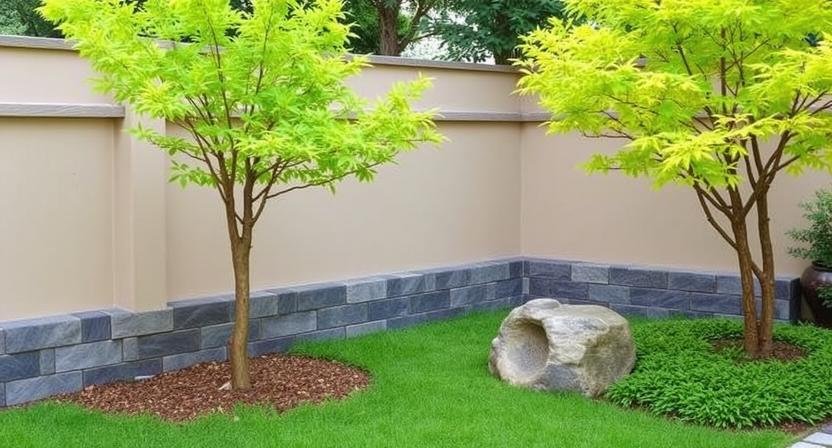
A well-designed japanese garden wall can transform any outdoor area into a peaceful sanctuary. These walls blend natural materials with timeless design principles to create boundaries that enhance rather than interrupt the landscape.
Whether you seek privacy, texture, or a focal point, the japanese garden wall serves as both a functional structure and an artistic element. Explore these 22 inspiring examples to find the perfect style for your garden.
Understanding the Japanese Garden Wall Aesthetic
A guide to incorporating traditional wall elements into modern landscapes.
- Natural Materials: Use wood, stone, and bamboo for an authentic look.
- Asymmetry: Embrace irregular patterns to mimic nature.
- Texture Contrast: Combine smooth surfaces with rough stone.
- Subtle Colors: Stick to earth tones and muted shades.
- Vertical Lines: Incorporate slats or bamboo for height.
- Integrated Planting: Allow moss or vines to grow on the wall.
- Functional Gaps: Leave openings for light and air flow.
1. Imagine a japanese garden wall with Natural Stone
Imagine a japanese garden wall built from stacked natural stone, creating a rugged texture that blends seamlessly with surrounding greenery. This design emphasizes organic shapes and earthy colors.
This japanese garden wall approach uses locally sourced stones to ensure durability and harmony with the environment. The irregular stacking adds visual interest.
2. Picture a japanese garden wall with Bamboo Slats
Picture a japanese garden wall made from vertical bamboo slats, offering a lightweight and breathable partition. The natural bamboo tones bring warmth and a sense of tranquility.
This japanese garden wall works well for smaller spaces where a solid barrier might feel too heavy. The slats filter sunlight beautifully.
3. Discover a japanese garden wall with Mixed Materials
Discover a japanese garden wall that combines wood, stone, and metal for a contemporary twist on tradition. The mix of textures creates a dynamic and engaging visual experience.
This japanese garden wall design proves that modern materials can still honor classic Japanese aesthetics when balanced carefully.
4. Consider a japanese garden wall with Hori-Bei Style
Consider a japanese garden wall in the classic hori-bei style, featuring a low earthen base topped with bamboo. This traditional design offers both stability and elegance.
This japanese garden wall type is ideal for defining garden boundaries without blocking views completely. The earthen base grounds the structure naturally.
5. Anchor a japanese garden wall with Charred Wood
Anchor a japanese garden wall using shou sugi ban charred wood, which provides a striking black finish and natural weather resistance. The texture is both bold and refined.
This japanese garden wall technique preserves the wood for decades while adding a dramatic visual element to the garden.
6. Layer a japanese garden wall with Moss and Stone
Layer a japanese garden wall with patches of moss growing between stacked stones, creating an aged and serene appearance. The greenery softens the hard edges.
This japanese garden wall approach mimics the look of ancient ruins, adding a sense of history and patience to the landscape.
7. Build a japanese garden wall with Woven Bamboo Fencing
Build a japanese garden wall using tightly woven bamboo fencing, offering a uniform and elegant pattern. This style is both functional and decorative.
This japanese garden wall works perfectly as a backdrop for a tea garden or meditation area. The weaving adds intricate detail.
8. Bring a japanese garden wall with Stone and Gravel
Bring a japanese garden wall to life by pairing a low stone wall with a raked gravel border. The contrast between solid and granular textures is visually pleasing.
This japanese garden wall design integrates directly with traditional karesansui dry landscape elements for a cohesive look.
9. Transform a japanese garden wall with Vertical Garden Panels
Transform a japanese garden wall into a living feature by attaching vertical planters with ferns and trailing vines. The wall becomes part of the garden itself.
This japanese garden wall approach softens boundaries and adds layers of greenery that change with the seasons.
10. Frame a japanese garden wall with Sliding Wood Panels
Frame a japanese garden wall using sliding wood panels that can be adjusted to control views and light. This flexible design adapts to different needs.
This japanese garden wall style borrows from shoji screen principles, allowing you to open or close sections as desired.
11. Explore a japanese garden wall with Dry Stone Stacking
Explore a japanese garden wall built with dry stone stacking, where no mortar is used. This technique allows for natural drainage and a rustic appearance.
This japanese garden wall method requires careful selection of stones to ensure stability while maintaining an organic feel.
12. Shape a japanese garden wall with Curved Bamboo
Shape a japanese garden wall using curved bamboo sections that follow the natural contours of the land. This design feels organic and fluid.
This japanese garden wall approach works especially well on sloping terrain where straight lines would look out of place.
13. Define a japanese garden wall with Split Bamboo
Define a japanese garden wall with split bamboo arranged in a herringbone pattern. The angled lines add dynamic movement to the structure.
This japanese garden wall design provides excellent privacy while allowing some light to filter through the gaps.
14. Introduce a japanese garden wall with River Stone Accents
Introduce a japanese garden wall that incorporates smooth river stones embedded in a concrete base. The polished stones catch the light beautifully.
This japanese garden wall style adds a subtle water-like quality to the garden, even without an actual water feature present.
15. Suspend a japanese garden wall with Rope and Wood
Suspend a japanese garden wall using ropes to hang horizontal wood logs, creating a unique floating effect. The gaps between logs offer visual breaks.
This japanese garden wall design is more artistic than practical, serving as a stunning focal point in a Zen garden.
16. Ground a japanese garden wall with Base Stones
Ground a japanese garden wall with large base stones that anchor the structure firmly to the earth. This provides a solid foundation for any wall type.
This japanese garden wall technique ensures longevity and prevents shifting over time, especially in areas with heavy rain.
17. Position a japanese garden wall with Lattice Panels
Position a japanese garden wall using wooden lattice panels that allow climbing plants to weave through. The wall becomes a living tapestry over time.
This japanese garden wall design supports wisteria or climbing roses, adding fragrance and color to the garden.
18. Fill a japanese garden wall with Glass Bottles
Fill a japanese garden wall with recycled glass bottles embedded in mortar, creating a colorful mosaic effect. The glass catches sunlight and glows.
This japanese garden wall approach adds an unexpected pop of color while promoting sustainable design practices in the garden.
19. Place a japanese garden wall with Terra Cotta Tiles
Place a japanese garden wall using terra cotta tiles arranged in a geometric pattern. The warm orange hue contrasts beautifully with green foliage.
This japanese garden wall design brings a Mediterranean influence while still respecting Japanese principles of natural materials.
20. Craft a japanese garden wall with Copper Accents
Craft a japanese garden wall with copper panels that develop a natural patina over time. The greenish-blue finish adds an aged elegance.
This japanese garden wall style changes appearance as the metal oxidizes, offering a dynamic element that evolves with the garden.
21. Draw a japanese garden wall with Ink Wash Patterns
Draw a japanese garden wall featuring hand-painted ink wash patterns on sealed wood panels. The artistic designs evoke traditional sumi-e paintings.
This japanese garden wall approach turns the boundary into a gallery piece, celebrating Japanese art in a functional form.
22. Elevate a japanese garden wall with Lantern Niches
Elevate a japanese garden wall by incorporating recessed niches for stone lanterns. The soft glow at night creates a magical atmosphere.
This japanese garden wall design blends lighting and structure seamlessly, extending the garden’s usability into the evening hours.
Frequently Asked Questions
Q. What is the best material for a japanese garden wall in a wet climate?
Ans. Charred wood or stone are excellent choices for a japanese garden wall in wet climates due to their natural resistance to moisture and decay.
Q. How tall should a japanese garden wall be for privacy?
Ans. A japanese garden wall for privacy typically ranges from 5 to 7 feet tall, depending on the desired level of seclusion and local regulations.
Q. Can I build a japanese garden wall myself?
Ans. Yes, a simple japanese garden wall using bamboo or pre-made panels can be a DIY project with basic tools and careful planning.
Conclusion
A thoughtfully designed japanese garden wall can define your outdoor space while honoring centuries of design tradition. Whether you choose bamboo, stone, or wood, each material brings its own character and charm to the landscape.
By selecting the right japanese garden wall style for your needs, you create a peaceful retreat that balances privacy with natural beauty. Let these ideas inspire your next garden project.