21 Mediterranean Style Garden Ideas for a Timeless Coastal Retreat
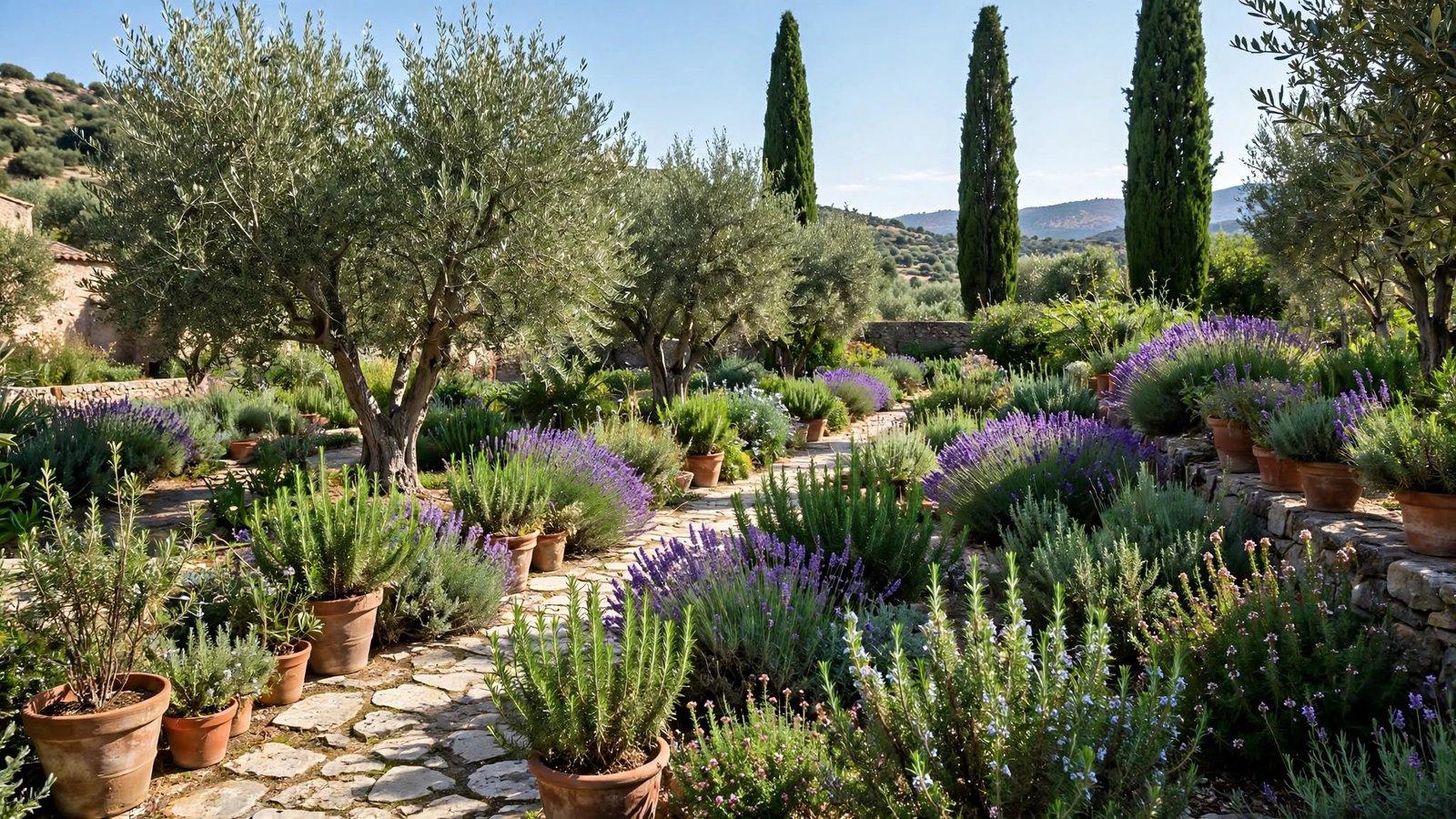
Creating a mediterranean style garden transforms your outdoor space into a sun-drenched sanctuary filled with fragrant herbs, textured stone, and drought-tolerant planting. This design approach celebrates the rustic charm and relaxed elegance of coastal regions like Spain, Italy, and Greece.
Whether you have a sprawling backyard or a compact urban terrace, the principles of a mediterranean style garden remain wonderfully adaptable. By focusing on natural materials, warm earthy tones, and water-wise plants, you can craft an inviting landscape that thrives in warm climates and evokes a sense of timeless holiday calm.
Designing Your Own mediterranean style garden: Key Principles for Authentic Charm
Master the essential elements that define this beloved landscape aesthetic.
- Choose Heat-Loving Plants: Select lavender, rosemary, and olive trees for structure.
- Embrace Gravel and Stone: Use these materials for pathways and ground cover to reduce water use.
- Incorporate Terracotta: Add clay pots and tiles for a warm, rustic color palette.
- Layer Textural Foliage: Mix silver-leaved shrubs with ornamental grasses for contrast.
- Create Shaded Retreats: Install pergolas or shade sails to offer respite from the midday sun.
- Add a Water Feature: Introduce a simple fountain to create a soothing auditory focal point.
- Use Wrought Iron Accents: Furnish with metal furniture or trellises for an old-world feel.
- Focus on Outdoor Dining: Prioritize a table setting that encourages long, leisurely meals.
1. Gravel Pathways — mediterranean style garden for Rustic Flow
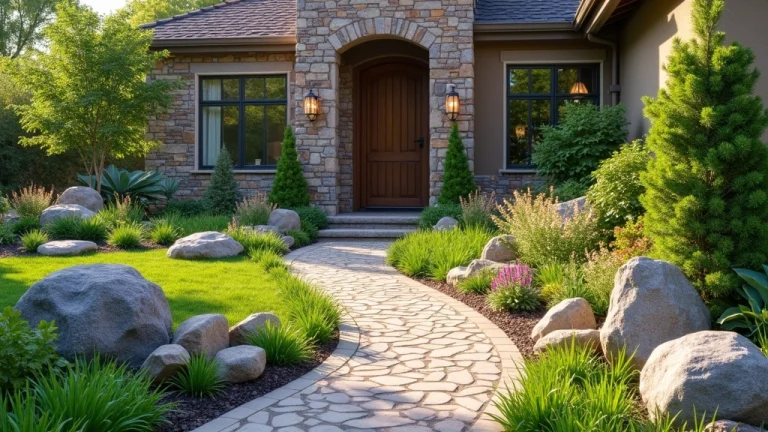
Imagine a mediterranean style garden where crushed gravel paths meander between aromatic planting beds. This permeable surface not only reduces runoff but also provides a satisfying crunch underfoot, guiding visitors on a leisurely journey through the landscape.
Pair the gravel with generous stone edging to keep the material contained. This practical choice in a mediterranean style garden creates a crisp, clean line that frames the soft, billowing texture of surrounding lavender and sage beautifully.
2. Whitewashed Walls — mediterranean style garden for Bright Contrast
Picture a mediterranean style garden enclosed by sun-bleached white walls that reflect light and heat. These surfaces act as a perfect backdrop for the vibrant greens of citrus trees and the deep purples of trailing bougainvillea, creating a stunning visual contrast.
Utilize these walls to train climbing plants like jasmine or ivy. In a mediterranean style garden, the bright masonry not only enhances the color of the foliage but also creates intimate, shaded microclimates perfect for delicate species.
3. Olive Tree Specimen — mediterranean style garden for Timeless Structure
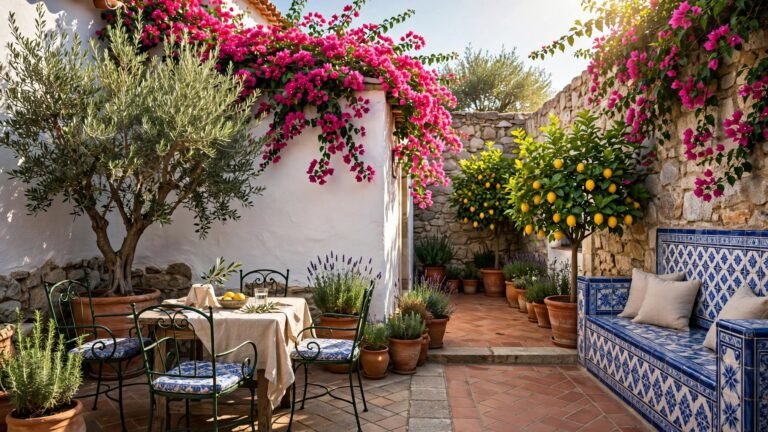
Discover the anchor of a true mediterranean style garden with a sculptural olive tree planted as a focal point. Its gnarled trunk and silvery-green canopy provide immediate age and character, offering dappled shade and a sense of ancient permanence to the space.
Position your olive tree where it can be admired from a seating area. This hardy tree in a mediterranean style garden requires minimal water once established, making it a sustainable and beautiful investment for your landscape.
4. Terracotta Pot Clusters — mediterranean style garden for Warm Accents
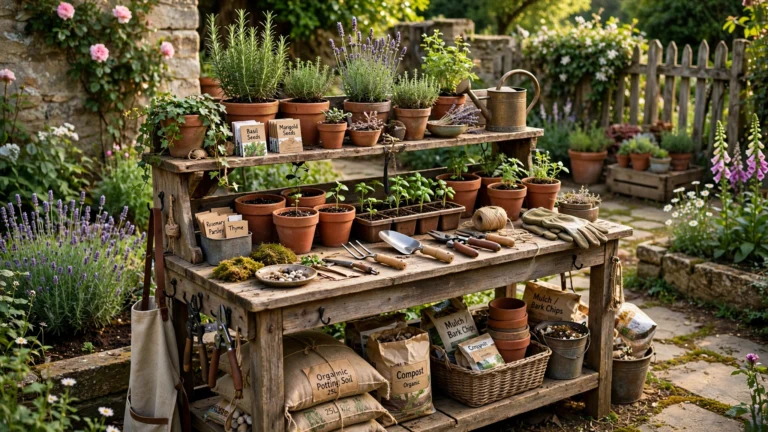
Consider grouping terracotta pots of varying heights to add dimension and warmth to a mediterranean style garden. The earthy orange hue of the clay complements the blue sky and green foliage, creating a cohesive and inviting color story that feels both rustic and refined.
Fill these vessels with culinary herbs like oregano, thyme, and basil. Placing them near the kitchen door in your mediterranean style garden ensures fresh flavors are always within reach, blending practicality with traditional aesthetics.
5. Wrought Iron Bench — mediterranean style garden for Elegant Seating
Anchor a quiet corner of your mediterranean style garden with a delicate wrought iron bench. The intricate metalwork offers a touch of old-world elegance, providing a comfortable spot to pause and enjoy the fragrance of surrounding flowers and herbs.
Place the bench against a sunny wall or under a tree canopy. This seating option in a mediterranean style garden is durable and lightweight, allowing you to easily reposition it to follow the shade or sun throughout the seasons.
6. Lavender Borders — mediterranean style garden for Fragrant Edges
Layer lavender along the edges of your paths to create a sensory experience in a mediterranean style garden. As you brush past the plants, they release their calming essential oils, while their soft purple spikes add continuous color and attract vital pollinators.
Choose a well-draining, sunny spot for these hardy shrubs. In a mediterranean style garden, lavender thrives with minimal intervention, requiring only a yearly prune to maintain a neat, rounded shape that defines your borders beautifully.
7. Stone Fountain Feature — mediterranean style garden for Soothing Sound
Build your design around the gentle murmur of a stone fountain, a classic focal point for any mediterranean style garden. The sound of water masks urban noise and creates a tranquil atmosphere, while the cool, wet stone offers a refreshing contrast to the dry heat.
Select a fountain with a simple, classic profile to ensure it ages gracefully. This water feature in a mediterranean style garden becomes a gathering point for birds and a soothing backdrop for evening relaxation and contemplation.
8. Bougainvillea Accents — mediterranean style garden for Vibrant Color
Bring explosive color into your mediterranean style garden by training bougainvillea up a sunny wall or pergola. The papery bracts in vivid magentas, oranges, or whites create a dramatic spectacle that instantly transports you to the Amalfi Coast.
Provide this vigorous climber with full sun and well-drained soil. Once established, bougainvillea in a mediterranean style garden is remarkably drought-tolerant, rewarding you with months of intense color with very little water or care.
9. Citrus Trees in Pots — mediterranean style garden for Edible Delights
Transform your patio by placing lemon or orange trees in large terracotta pots for a productive mediterranean style garden. The glossy green leaves and fragrant blossoms add beauty, while the bright fruit provides a delicious harvest for cooking and cocktails.
Ensure the containers have excellent drainage to prevent root rot. In a mediterranean style garden, container-grown citrus can be moved to a sheltered spot during cooler months, protecting them from frost while keeping the aesthetic intact.
10. Gravel and Stone Mosaic — mediterranean style garden for Artistic Floors
Frame your seating area with a decorative mosaic of pebbles and stone tiles in a mediterranean style garden. This intricate hardscaping adds artistic detail and visual interest underfoot, creating a unique and durable surface that complements the natural planting.
Use contrasting stone colors to create geometric patterns or organic flowing designs. This floor treatment in a mediterranean style garden is not only beautiful but also helps to keep the area cool and dust-free during hot summer days.
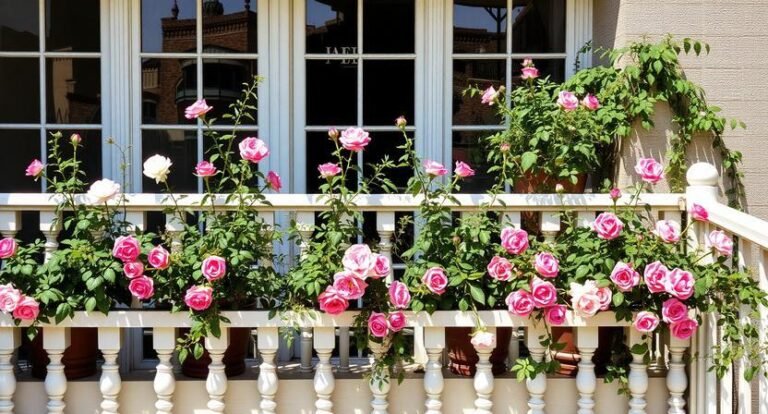
11. Climbing Rose Arch — mediterranean style garden for Romantic Entrances
Explore the romantic potential of a wrought iron arch draped in climbing roses to define an entrance in your mediterranean style garden. This vertical element draws the eye upward and creates a sense of passage, marking the transition into a secluded and fragrant space.
Choose a repeat-flowering rose variety for a long season of interest. In a mediterranean style garden, this feature combines the charm of old-fashioned blooms with the structural support needed to create a stunning focal point.
12. Succulent Borders — mediterranean style garden for Low-Water Texture
Shape the edges of your beds with a collection of architectural succulents and agaves for a modern mediterranean style garden. Their sculptural rosettes and spiky leaves provide year-round structure and interest, thriving in the hot, dry conditions that define this landscape.
Mix different species for a tapestry of textures and colors, from blue-grey to deep green. These plants in a mediterranean style garden require almost no irrigation, making them an eco-friendly choice for sustainable and beautiful borders.
13. Shaded Pergola Dining — mediterranean style garden for Al Fresco Meals
Define a dining area under a timber pergola to create the ultimate entertaining space in a mediterranean style garden. The overhead structure provides essential shade, while climbing vines or trailing plants soften the lines and add a sense of enclosure and intimacy.
Furnish the space with a sturdy wooden table and comfortable chairs. In a mediterranean style garden, this shaded zone becomes the heart of the home during summer, perfect for long lunches and evening gatherings with friends.
14. Ornamental Grasses — mediterranean style garden for Movement and Light
Introduce ornamental grasses to add movement and softness to a mediterranean style garden. The feathery plumes of pennisetum or stipa catch the light and sway gracefully in the breeze, bringing a dynamic, naturalistic energy that contrasts beautifully with hard stone surfaces.
Plant them in drifts for maximum impact, allowing them to self-seed naturally. These grasses in a mediterranean style garden provide a golden hue in autumn and require minimal maintenance, only needing a cut back in late winter to promote fresh growth.
15. Natural Stone Steps — mediterranean style garden for Terraced Flow
Suspend the visual weight of a sloped yard by building natural stone steps that connect different levels of your mediterranean style garden. These rustic treads blend seamlessly into the landscape, creating a functional and attractive way to navigate changes in elevation.
Use large, flat stones that feel stable underfoot and allow for a natural, staggered rhythm. This hardscape element in a mediterranean style garden encourages slow exploration and offers a practical solution for challenging topography.
16. Herb Spiral Planter — mediterranean style garden for Culinary Function
Ground your kitchen garden in a functional herb spiral, a clever and attractive feature for a mediterranean style garden. This vertical structure creates diverse microclimates in a small footprint, allowing you to grow sun-loving rosemary at the top and moisture-loving mint at the base.
Construct the spiral from local stone or brick to match your surroundings. This DIY feature in a mediterranean style garden is both productive and sculptural, offering a continuous supply of fresh herbs for your culinary adventures.
17. Pebble Mulch Beds — mediterranean style garden for Weed Suppression
Position a thick layer of pebble mulch over your planting beds to conserve moisture and suppress weeds in a mediterranean style garden. This practical ground cover also helps to regulate soil temperature, keeping roots cool in the summer and insulated during the winter.
Choose pebbles in warm tones of cream, gold, or terracotta to enhance the natural palette. This mulching technique in a mediterranean style garden creates a clean, unified look that makes the green foliage and colorful flowers truly stand out.
18. Fire Pit Gathering Spot — mediterranean style garden for Evening Warmth
Fill a dedicated seating circle with a central fire pit to extend the usability of your mediterranean style garden into the cooler evenings. The warm glow of the fire creates a cozy and inviting atmosphere, perfect for conversation, storytelling, and relaxing under the stars.
Surround the pit with comfortable, weather-resistant seating arranged in a circle. This social hub in a mediterranean style garden provides a natural focal point, encouraging connection and offering a warm retreat during the twilight hours.
19. Decorative Gravel Garden — mediterranean style garden for Dry Beauty
Craft a low-maintenance yet striking area dedicated entirely to gravel and drought-tolerant plants in a mediterranean style garden. This approach mimics the natural landscapes of the Mediterranean basin, creating a serene and textured garden that requires minimal water and upkeep.
Feature plants like yarrow, sedum, and California poppy that self-seed and thrive in poor soil. This type of planting in a mediterranean style garden celebrates the beauty of arid conditions, offering a sustainable and wildlife-friendly alternative to a traditional lawn.
20. Tiled Table Top — mediterranean style garden for Artistic Flair
Place a table with a hand-painted tile top at the center of your outdoor seating area to inject a burst of artistic color into a mediterranean style garden. The intricate ceramic patterns, often in blues, yellows, and greens, add a unique and personal touch that celebrates artisan craftsmanship.
Use this table as a focal point for dining or displaying potted plants. This decorative element in a mediterranean style garden brings the vibrant spirit of Spanish or Moroccan design directly into your landscape, creating a conversation piece for all visitors.
21. Cascading Ground Covers — mediterranean style garden for Softening Walls
Draw the eye to vertical surfaces by planting cascading ground covers that spill over retaining walls and the edges of raised planters in a mediterranean style garden. Plants like trailing rosemary, cerastium, or convolvulus create a soft, romantic veil of foliage that softens hard lines.
Choose sun-loving, drought-tolerant species that will tumble naturally over the edge. This planting technique in a mediterranean style garden adds depth and lushness, making the architecture feel integrated with the natural world around it.
Frequently Asked Questions
Q. What are the best low-maintenance plants for a mediterranean style garden?
Ans. A mediterranean style garden thrives with lavender, rosemary, sage, olive trees, and ornamental grasses, all of which require minimal water once established.
Q. How can I create a mediterranean style garden on a small budget?
Ans. You can create a mediterranean style garden by focusing on gravel mulch, terracotta pots, and propagating herbs and succulents from cuttings to keep costs low.
Q. How much water does a mediterranean style garden typically need?
Ans. Once established, a true mediterranean style garden is extremely drought-tolerant, often thriving with only occasional deep watering during extended dry periods.
Conclusion
Designing a mediterranean style garden is about embracing a relaxed, sun-soaked lifestyle rather than strict rules. By prioritizing drought-tolerant plants, natural materials, and comfortable outdoor living spaces, you create a personal retreat that is both beautiful and sustainable.
Whether you start with a single olive tree or re-landscape your entire yard, every element of a mediterranean style garden brings you closer to that timeless, coastal sense of peace and warmth.