26 Stunning Mediterranean Garden Plants for a Sun-Drenched Landscape
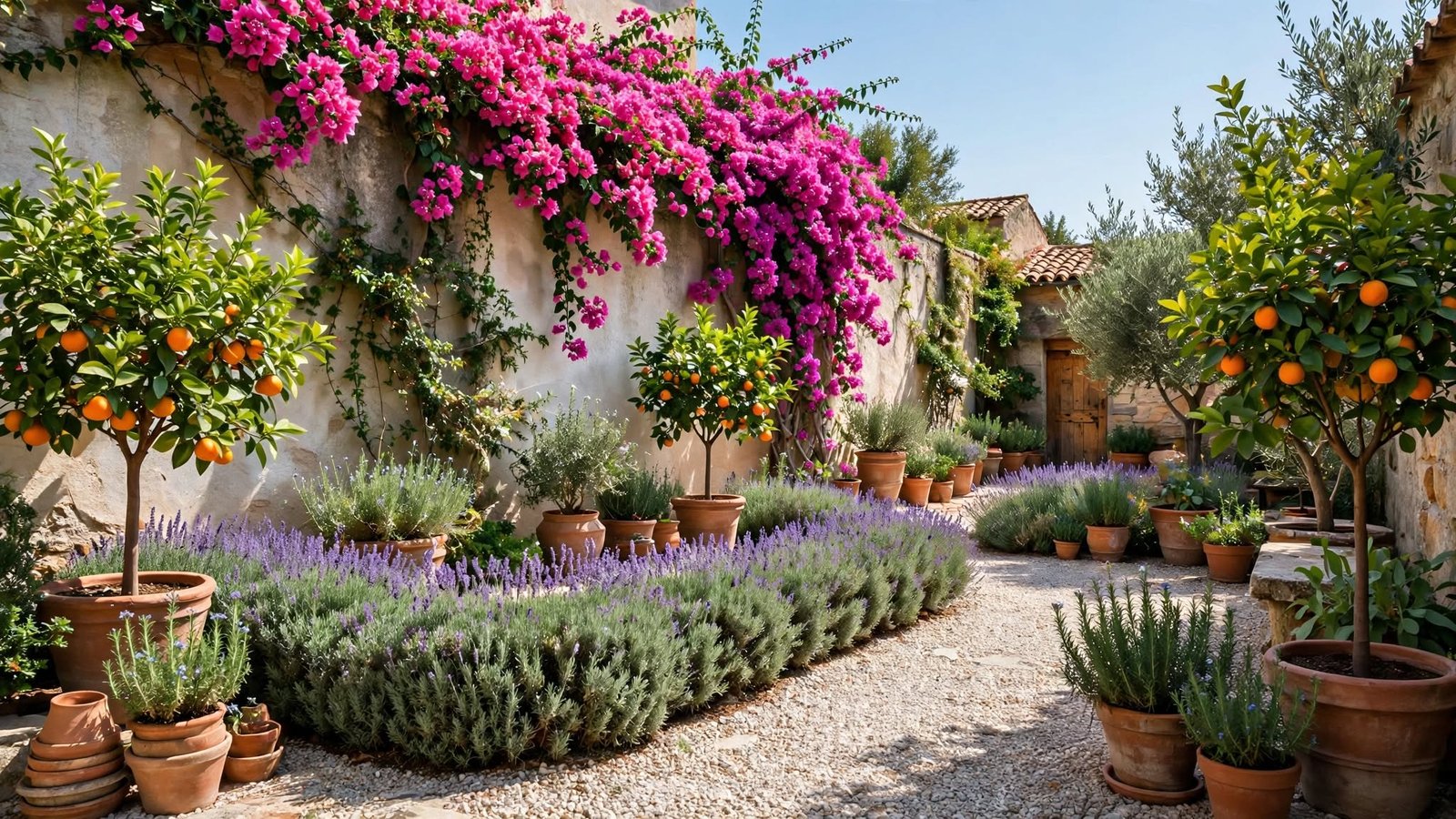
Transforming your outdoor space with mediterranean garden plants brings the relaxed elegance of coastal hillsides to your home. These resilient species thrive in hot, dry conditions while offering rich texture and aromatic fragrance throughout the year.
Whether you have a sprawling estate or a compact courtyard, incorporating mediterranean garden plants creates a low-maintenance yet visually striking environment. With careful selection, you can enjoy a vibrant landscape that requires minimal water and delivers maximum beauty.
Designing with Drought-Tolerant Mediterranean Garden Plants
A curated approach to building your sun-loving sanctuary
- Assess Sunlight: Most species need six hours of direct sun daily.
- Improve Drainage: Amend heavy soil with grit or sand before planting.
- Group by Water Needs: Place thirsty plants together for efficient irrigation.
- Choose Silver Foliage: Gray leaves reflect heat and reduce moisture loss.
- Incorporate Herbs: Rosemary and thyme double as culinary additions.
- Layer Heights: Use tall specimens as anchors for lower-growing groundcovers.
- Add Structural Stones: Gravel mulch suppresses weeds while retaining warmth.
- Plan for Winter: Select hardy varieties that withstand occasional frost.
1. Imagine a Silver Foliage Border — mediterranean garden plants for Contrast
Imagine a border that shimmers under intense sunlight, where mediterranean garden plants with silvery leaves create a cooling visual effect. Dusty miller and artemisia provide a soft backdrop that makes neighboring green foliage appear richer and more saturated.
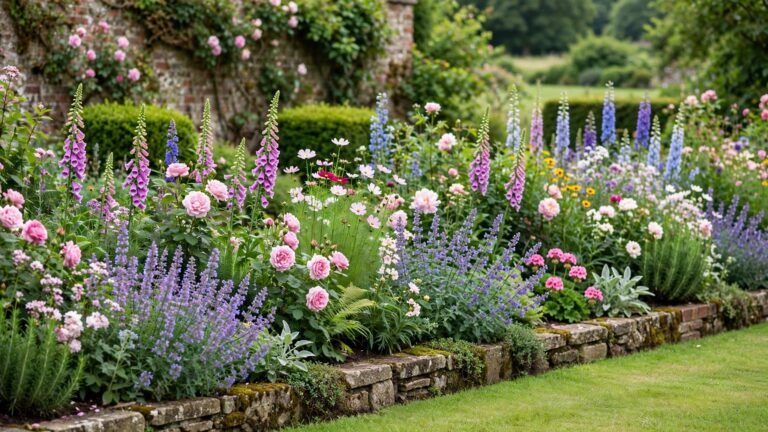
Pair these silver tones with purple-flowering sage for a classic Mediterranean palette. This combination of mediterranean garden plants offers year-round interest with minimal upkeep.
2. Picture a Fragrant Entryway — mediterranean garden plants for Welcoming Spaces
Picture approaching your front door through a cloud of fragrance, where mediterranean garden plants like lavender and rosemary release their essential oils with every gentle breeze. These aromatic shrubs thrive in containers, making them perfect for flanking entrance steps.
Their scent becomes a signature element of your home. These mediterranean garden plants also attract beneficial pollinators while deterring less welcome visitors.
3. Discover the Power of Architectural Leaves — mediterranean garden plants for Drama
Discover how bold foliage shapes anchor a planting scheme. Mediterranean garden plants such as phormium and cordyline introduce vertical spikes that contrast beautifully with rounded shrubs and mounding perennials.
These structural accents serve as living sculptures. When selecting mediterranean garden plants, consider leaf shape as carefully as flower color to achieve a balanced composition.
4. Consider a Gravel Garden — mediterranean garden plants for Dry Zones
Consider converting a thirsty lawn into a gravel garden filled with mediterranean garden plants that relish sharp drainage. This approach replicates the natural habitats of species like cistus and euphorbia, which flourish in rocky, sun-baked soils.
Gravel also reflects heat upward, encouraging vigorous flowering. By choosing mediterranean garden plants suited to this environment, you drastically reduce your water consumption.
5. Anchor a Sunny Slope — mediterranean garden plants for Erosion Control
Anchor a challenging hillside with deep-rooted mediterranean garden plants that stabilize soil while adding beauty. Ground-hugging junipers and spreading rosemary form dense mats that hold the earth firmly during heavy rains.
Their extensive root systems penetrate deeply into the ground. Using mediterranean garden plants for slope coverage prevents erosion while creating a lush, green carpet that suppresses weeds naturally.
6. Layer a Mixed Border — mediterranean garden plants for Depth
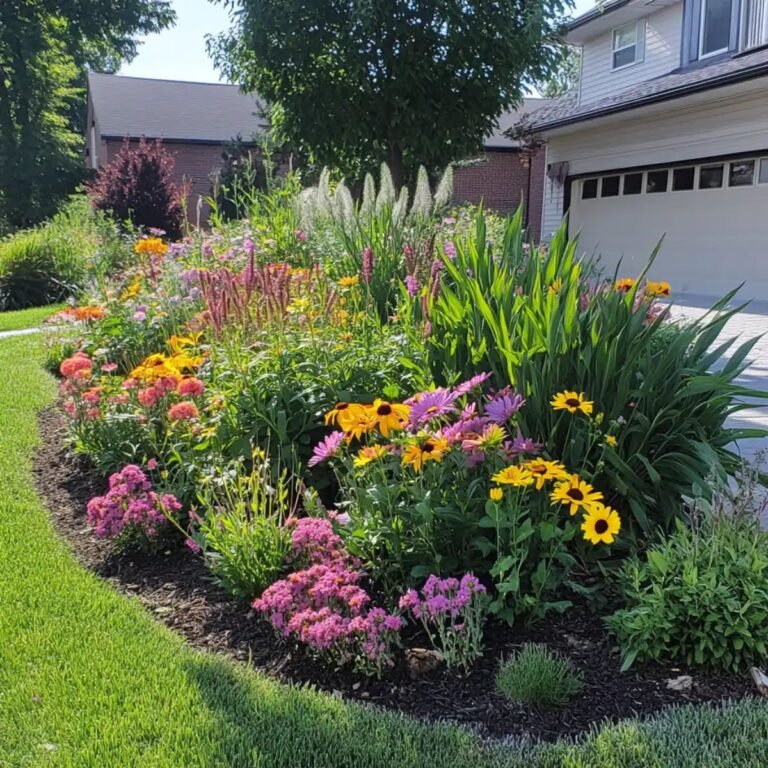
Layer your planting bed with varying heights and textures, using mediterranean garden plants as the backbone of a dynamic display. Tall grasses and shrubs form the rear tier, while lower perennials and groundcovers fill the front.
This tiered arrangement ensures every plant receives adequate sunlight. Mediterranean garden plants arranged in layers create a sense of fullness and natural abundance.
7. Build a Container Collection — mediterranean garden plants for Patios
Build a movable display of potted mediterranean garden plants that can be rearranged seasonally or to suit entertaining needs. Clay pots filled with geraniums, olives, and citrus trees bring the essence of a Mediterranean terrace to any paved area.
Container growing allows precise control over soil conditions. These mediterranean garden plants in pots require regular feeding but reward with vigorous growth and extended blooming.
8. Bring Color to a Hot Wall — mediterranean garden plants for Vertical Interest
Bring life to a sun-baked south-facing wall with climbing mediterranean garden plants that thrive on reflected heat. Bougainvillea and passionflower scramble upward, creating sheets of vivid color against masonry.
These vigorous climbers need sturdy support and regular pruning. Mediterranean garden plants trained against walls also provide insulation, keeping buildings cooler during summer months.
9. Transform a Courtyard — mediterranean garden plants for Intimate Settings
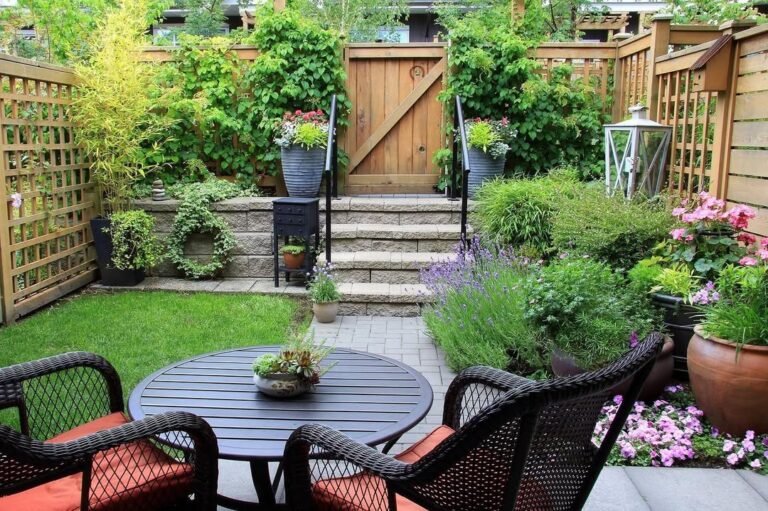
Transform a paved courtyard into a lush retreat by softening hard surfaces with mediterranean garden plants in every available pocket of soil. Jasmine and star jasmine perfume the air, while potted lemons add structure and fruit.
Even small spaces accommodate a surprising variety of species. Choosing mediterranean garden plants for courtyards creates a private, aromatic haven shielded from the outside world.
10. Frame a View — mediterranean garden plants for Perspective
Frame a desirable vista by placing mediterranean garden plants strategically at the edges of your sightline. Tall cypress or standard-trained olives draw the eye toward a distant landscape or focal point.
This technique adds depth and guides movement through the garden. Using mediterranean garden plants as living frames creates a curated, intentional view that changes with the seasons.
11. Explore Native Adaptations — mediterranean garden plants for Local Wildlife
Explore how mediterranean garden plants support local ecosystems by providing nectar, shelter, and food for birds and insects. Species like salvias and lavenders are magnets for bees and butterflies throughout their long flowering season.
Birds are drawn to the seeds and berries of many shrubs. By planting mediterranean garden plants, you contribute to biodiversity while creating a lively garden full of natural activity.
12. Shape a Formal Parterre — mediterranean garden plants for Structure
Shape clipped hedges and geometric beds using mediterranean garden plants that tolerate regular pruning with ease. Boxwood, myrtle, and germander respond well to shearing, allowing precise, architectural designs.
This formal style contrasts beautifully with the relaxed growth habits of other species. Mediterranean garden plants used in parterres create a timeless, elegant framework for a traditional garden design.
13. Define a Pathway — mediterranean garden plants for Edging
Define the edges of a gravel or stone path with low-growing mediterranean garden plants that spill gently over the borders. Thyme, oregano, and dwarf lavender soften hard lines while releasing fragrance when brushed against.
These resilient plants tolerate occasional foot traffic and poor soil. Using mediterranean garden plants along pathways creates a welcoming, fragrant journey through your landscape.
14. Introduce a Specimen Tree — mediterranean garden plants for Shade
Introduce a single magnificent tree as the centerpiece of your garden, choosing from mediterranean garden plants like olive, fig, or carob for their sculptural forms and practical yields. These trees provide dappled shade that protects understory plants from harsh afternoon sun.
Their gnarled trunks and silver-green foliage add instant maturity. Mediterranean garden plants grown as specimens become the defining feature of the entire outdoor space.
15. Suspend Hanging Baskets — mediterranean garden plants for Elevated Display
Suspend colorful baskets from pergolas or eaves to add a vertical layer of mediterranean garden plants that cascade with trailing blooms. Petunias, verbena, and trailing geraniums create a fountain of color that softens overhead structures.
These elevated plantings are visible from inside the house as well. Mediterranean garden plants in hanging baskets require frequent watering but deliver a spectacular display all summer long.
16. Ground a Rockery — mediterranean garden plants for Alpine Conditions
Ground a sunny rockery with low-spreading mediterranean garden plants that nestle between stones and crevices. Sedums, aubrieta, and dwarf campanula form cushions of color that soften the harsh edges of rock.
These tough species tolerate extreme heat and drought once established. Mediterranean garden plants in rockeries replicate the natural beauty of mountain landscapes.
17. Position an Herb Spiral — mediterranean garden plants for Culinary Use
Position a vertical herb spiral filled with mediterranean garden plants that provide fresh flavors for your kitchen. Oregano, marjoram, and sage occupy the upper, drier zones while parsley and mint settle at the base where moisture collects.
This efficient design maximizes growing space in a small footprint. Mediterranean garden plants in a spiral create a productive and attractive feature that is both practical and beautiful.
18. Fill a Dry Stream Bed — mediterranean garden plants for Naturalistic Design
Fill a dry creek bed with mediterranean garden plants that thrive in the well-drained gravel margins. Grasses like stipa and festuca sway gracefully, while achillea and gaura add drifts of soft color above the stones.
This design mimics natural watercourses found in Mediterranean climates. Mediterranean garden plants arranged along a dry stream create movement and interest even without flowing water.
19. Place a Statement Urn — mediterranean garden plants for Classical Accents
Place a large terracotta urn at a focal point, filling it with mediterranean garden plants that create a formal, classical statement. Standard bay trees or clipped myrtle balls provide evergreen structure, while seasonal annuals add temporary color beneath.
These ornamental containers anchor the eye and add a sense of permanence. Mediterranean garden plants displayed in urns evoke the grandeur of ancient Roman gardens.
20. Craft a Scented Hedge — mediterranean garden plants for Sensory Boundaries
Craft a living screen using fragrant mediterranean garden plants that release their perfume whenever the breeze stirs. Rosemary hedges are classic choices, but lavender cotton and santolina also form dense, aromatic barriers.
These hedges provide privacy while engaging the senses. Mediterranean garden plants used as hedging offer a practical way to divide space without sacrificing beauty or fragrance.
21. Draw Pollinators In — mediterranean garden plants for Biodiversity
Draw a constant stream of pollinators into your garden by selecting nectar-rich mediterranean garden plants that bloom in succession. Begin with early-flowering rosemary and hellebore, followed by salvias, catmint, and the long-blooming gaura.
This continuous supply of food supports beneficial insects throughout the season. Mediterranean garden plants that attract wildlife create a dynamic, buzzing ecosystem in your backyard.
22. Elevate a Rooftop Terrace — mediterranean garden plants for Urban Spaces
Elevate an exposed rooftop terrace with wind-tolerant mediterranean garden plants that thrive in containers and shallow substrates. Oleander, pomegranate, and dwarf conifers handle the harsh conditions of elevated sites with ease.
These plants create a green oasis above the city streets. Mediterranean garden plants on rooftops provide insulation, reduce heat gain, and offer a private retreat from urban life.
23. Reveal a Seasonal Rhythm — mediterranean garden plants for Year-Round Interest
Reveal the natural seasonal rhythm of mediterranean garden plants by planning for interest in every month. Spring brings a burst of flowers from bulbs and perennials, while summer is dominated by heat-loving shrubs and grasses.
Autumn introduces berries and changing leaf colors, and winter is defined by evergreen structure and bark. Mediterranean garden plants provide a constantly evolving tapestry that never looks empty.
24. Embrace a Wildflower Meadow — mediterranean garden plants for Naturalized Areas
Embrace a relaxed, naturalistic style by sowing a wildflower meadow with mediterranean garden plants that self-seed and naturalize freely. California poppies, cornflowers, and cosmos create a riot of color that changes week by week.
This low-maintenance approach requires only an annual cut in late summer. Mediterranean garden plants grown as a meadow provide habitat for countless insects and create a romantic, informal atmosphere.
25. Capture Evening Fragrance — mediterranean garden plants for Night Gardens
Capture the magic of warm summer evenings by planting mediterranean garden plants that release their scent after dark. Night-scented stock, nicotiana, and jasmine fill the air with intoxicating perfume as the temperature drops.
These plants are best placed near seating areas or open windows. Mediterranean garden plants with evening fragrance transform your garden into a sensory experience that extends well past sunset.
26. Notice the Details — mediterranean garden plants for Texture and Form
Notice how the interplay of fine, medium, and coarse textures among mediterranean garden plants creates a rich visual experience. Feathery grasses contrast with bold, leathery leaves, while spiky flower spikes rise above mounded foliage.
Pay attention to the subtle variations in green, gray, and blue tones. Mediterranean garden plants offer endless opportunities for close observation and appreciation of their intricate forms.
Frequently Asked Questions
Q. What are the best mediterranean garden plants for full sun exposure?
Ans. Lavender, rosemary, sage, and cistus are excellent mediterranean garden plants that thrive in six or more hours of direct sunlight.
Q. How often should I water newly planted mediterranean garden plants?
Ans. Water deeply twice weekly for the first month, then gradually reduce frequency as your mediterranean garden plants establish strong root systems.
Q. Can mediterranean garden plants survive in containers on a balcony?
Ans. Yes, many mediterranean garden plants adapt well to pots, provided they have excellent drainage and are protected from severe winter frost.
Conclusion
Designing with mediterranean garden plants offers a sustainable path to a beautiful, resilient landscape that flourishes with minimal intervention. From fragrant herbs to architectural shrubs, these species bring warmth and character to any outdoor setting.
By understanding their needs for sun, drainage, and space, you can create a thriving garden that evokes the timeless charm of the Mediterranean coast, season after season.