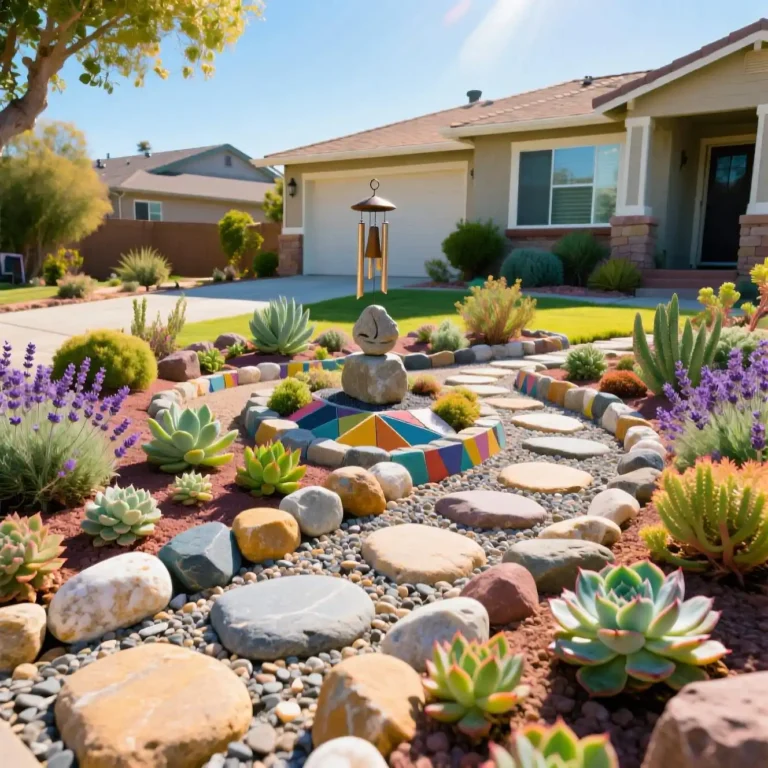
20 Slanted Side Yard Landscaping Ideas to Transform a Tricky Slope
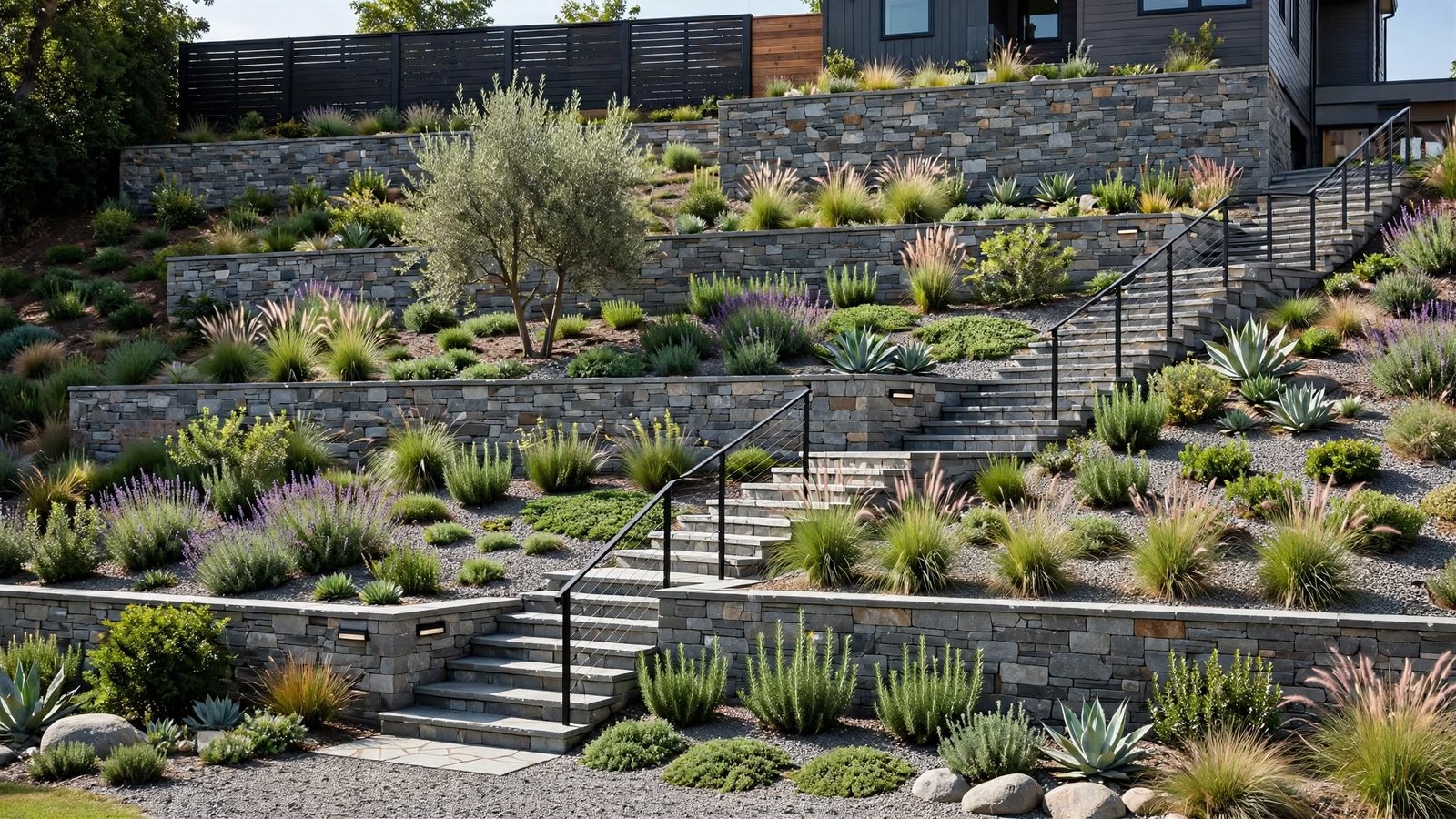
A sloping side strip can feel like a problem, but slanted side yard landscaping turns that awkward grade into one of the most useful and beautiful parts of your property. With the right approach, a difficult incline becomes a design opportunity instead of a maintenance headache.
Good slanted side yard landscaping solves drainage, erosion, and access while adding privacy, texture, and curb appeal. The ideas below cover terraces, retaining walls, paths, plantings, and low-maintenance options that work on gentle grades and steep drops alike.
What Makes Slanted Side Yard Landscaping Work So Well
A slope is not a flaw to hide but a feature to shape with intention.
- Control Water First: Redirect runoff with swales, French drains, or berms before planting anything.
- Terrace the Grade: Break a long incline into flat tiers that are easier to plant, walk, and maintain.
- Choose Slope-Ready Plants: Ground covers, ornamental grasses, and deep-rooted shrubs hold soil in place.
- Add Safe Access: Gentle switchback paths or wide steps make the side yard usable year round.
- Use Retaining Walls Wisely: Stone, timber, or block walls create level beds and prevent erosion.
- Layer Heights: Combine low ground cover, mid-size shrubs, and taller specimens for depth.
- Keep Maintenance Realistic: Match the design to how much pruning, watering, and mowing you will actually do.
- Respect Setbacks and Codes: Check property lines, drainage rules, and wall height limits before digging.
1. Terraced Beds for a Gentle Grade
Imagine slanted side yard landscaping where a mild slope becomes two or three wide, flat beds stacked like shallow stairs. Each tier holds its own planting mix, so taller shrubs sit up top while low ground cover spills over the edges of the wall below.
This layout slows runoff, reduces erosion, and makes every square foot of the strip easy to reach. It is one of the most forgiving slanted side yard landscaping ideas for beginners.
2. Stone Retaining Wall with Layered Planting
Picture slanted side yard landscaping built around a natural stone wall that holds back the higher grade and creates a clean planting shelf. Cascading plants soften the wall face, while upright shrubs behind it add height and privacy along the property line.
The stone absorbs and releases moisture slowly, which helps nearby plants through dry spells. This is a classic slanted side yard landscaping solution for medium to steep slopes.
3. Switchback Path Through the Slope
Discover slanted side yard landscaping that turns a steep drop into a walkable route with a gentle switchback path. Wide gravel or flagstone treads zigzag down the grade, keeping the incline comfortable and safe in wet weather.
Plant the pockets between path turns with low grasses and ground cover. The result is practical slanted side yard landscaping that feels intentional rather than improvised.
4. Ground Cover Carpet for Erosion Control
Consider slanted side yard landscaping that relies on a dense carpet of creeping plants instead of walls or terraces. Spreading juniper, creeping thyme, and vinca knit together into a living blanket that grips soil and blocks weeds.
This approach needs almost no mowing and looks lush within a season. For low-effort slanted side yard landscaping, ground cover is hard to beat on a moderate incline.
5. Drought-Tolerant Slope Planting
Anchor slanted side yard landscaping with tough, water-wise plants that thrive on fast-draining ground. Lavender, sedum, ornamental grasses, and yarrow all handle sun, wind, and dry soil without constant irrigation.
Group them by water need so you can irrigate efficiently. Smart slanted side yard landscaping like this cuts both your water bill and your weekend chores.
6. Timber Steps Built Into the Hill
Layer slanted side yard landscaping with timber steps that follow the natural rise of the ground. Each tread is pinned into the slope with rebar or stakes, creating a rustic staircase that blends into the garden rather than fighting it.
Fill the sides with ferns, sedges, or moss for a woodland feel. Timber is affordable and repairable, which makes it a favorite for DIY slanted side yard landscaping.
7. Dry Creek Bed for Drainage
Build slanted side yard landscaping around a dry creek bed that channels stormwater safely down the slope. Rounded river rock lined with larger boulders mimics a natural stream and slows the flow before it reaches the street or a neighbor’s yard.
Edge the bed with grasses and moisture-loving perennials. This is functional slanted side yard landscaping that looks sculptural even when the channel is dry.
8. Privacy Screen on a Sloped Border
Bring slanted side yard landscaping together with a living privacy screen planted along the high side of the grade. Columnar evergreens, bamboo in a root barrier, or tall ornamental grasses block sightlines without crowding the walkway.
Stagger the planting in two rows to hide gaps. Thoughtful slanted side yard landscaping like this adds seclusion and muffles street noise at the same time.
9. Boulder Placement for Natural Structure
Transform slanted side yard landscaping with a few well-set boulders that act as anchors on the hillside. Bury each stone a third of the way into the soil so it looks native, then tuck plants around the base to soften the edges.
Boulders also slow runoff and create microclimates for small plants. Used sparingly, they give slanted side yard landscaping a rugged, natural character.
10. Creeping Thyme Between Stepping Stones
Frame slanted side yard landscaping with irregular flagstones set into a carpet of creeping thyme. The thyme fills the joints, releases scent underfoot, and needs far less water than a traditional lawn on a slope.
Space the stones for a comfortable stride as the grade changes. This is one of the most charming slanted side yard landscaping ideas for small side strips.
11. Shade-Tolerant Woodland Slope
Explore slanted side yard landscaping designed for a shady north-facing slope. Ferns, hostas, hellebores, and native woodland perennials thrive in low light and knit together to hold the soil.
Add a simple mulch path so you can enjoy the space. Shade is an asset here, and slanted side yard landscaping in these conditions needs little irrigation once established.
12. Raised Beds Stepped Down the Hill
Shape slanted side yard landscaping into a productive garden by stepping raised beds down the incline. Each box sits level even though the ground beneath it slopes, giving roots even moisture and easy access for planting and harvest.
Use cedar or composite lumber for rot resistance. Edible slanted side yard landscaping like this turns dead space into a steady supply of herbs and vegetables.
13. Ornamental Grasses for Movement and Texture
Define slanted side yard landscaping with sweeping drifts of ornamental grasses that sway in the wind and hide the awkward line of the slope. Maiden grass, switchgrass, and fountain grass each bring a different height and seed head.
Cut them back once in late winter for easy upkeep. Grasses are tough, drought-tolerant, and ideal for slanted side yard landscaping on exposed sites.
14. Low Wall with Built-In Seating
Introduce slanted side yard landscaping that doubles as outdoor living space with a low retaining wall capped for seating. The wall levels a small patio nook, while the slope above becomes a planted backdrop of shrubs and perennials.
Choose a capstone wide enough to sit on comfortably. This style of slanted side yard landscaping adds function, not just beauty, to a narrow strip.
15. Gravel and Mulch for Low-Maintenance Cover
Suspend the need for constant mowing with slanted side yard landscaping that uses gravel, bark mulch, or crushed stone as the main ground surface. These materials shed water quickly and stay put on moderate grades.
Dot the surface with drought-tolerant specimens for contrast and structure. Simple slanted side yard landscaping like this looks clean and modern with almost no upkeep.
16. Native Plant Slope Garden
Ground slanted side yard landscaping in regionally native plants that evolved for your soil and rainfall. Coneflower, black-eyed Susan, asters, and native shrubs build deep roots that stabilize the slope and feed pollinators.
Once established, they need little watering or fertilizing. Native slanted side yard landscaping is both ecological and remarkably low maintenance over the long term.
17. Lighting to Highlight the Grade
Position slanted side yard landscaping lights to graze the slope and reveal its contours after dark. Low-voltage path lights along the steps and uplights beneath specimen shrubs create depth and improve safety on uneven ground.
Use warm, shielded fixtures to reduce glare and light pollution. Well-planned slanted side yard landscaping lighting makes the side yard usable and inviting at night.
18. Mixed Border for Year-Round Interest
Fill slanted side yard landscaping with a mixed border of evergreens, flowering shrubs, and perennials that peak in different seasons. Spring bulbs, summer blooms, and autumn foliage keep the slope changing all year.
Repeat a few key plants to unify the design. A layered border is one of the richest slanted side yard landscaping approaches for visual impact.
19. Rain Garden at the Bottom of the Slope
Place slanted side yard landscaping features where water naturally collects at the base of the hill. A shallow rain garden planted with sedges, rushes, and swamp milkweed absorbs runoff and filters it before it leaves your property.
Shape the basin so it drains within a day or two. This type of slanted side yard landscaping solves a drainage problem while adding habitat and beauty.
20. Complete Slope Makeover Plan
Craft a full slanted side yard landscaping plan that combines terracing, a path, drainage, and layered planting into one cohesive design. Start with the water strategy, then add structure, and finish with plants suited to each microclimate.
Sketch the slope in section view before you buy a single plant. A clear plan keeps slanted side yard landscaping projects on budget and looking intentional from the street.
Frequently Asked Questions
Q. What is the best way to start slanted side yard landscaping?
Ans. Begin with drainage and access, then add terraces or retaining walls before planting anything for slanted side yard landscaping.
Q. Which plants work best for slanted side yard landscaping?
Ans. Ground covers, ornamental grasses, and deep-rooted native shrubs are the most reliable choices for slanted side yard landscaping.
Q. Do I need a retaining wall for slanted side yard landscaping?
Ans. Only on steeper grades, but a low wall often makes slanted side yard landscaping easier to plant and maintain.
Conclusion
Slanted side yard landscaping turns a troublesome incline into one of the most rewarding parts of your property. By solving drainage first, then adding terraces, paths, walls, and smart plantings, you create a space that is stable, beautiful, and genuinely usable.
Start with one or two ideas from this list, match them to your slope and climate, and build gradually. With patience and the right plan, slanted side yard landscaping delivers privacy, curb appeal, and far less maintenance than you might expect.