30 Succulent Rock Garden Ideas for a Stunning Low-Water Landscape
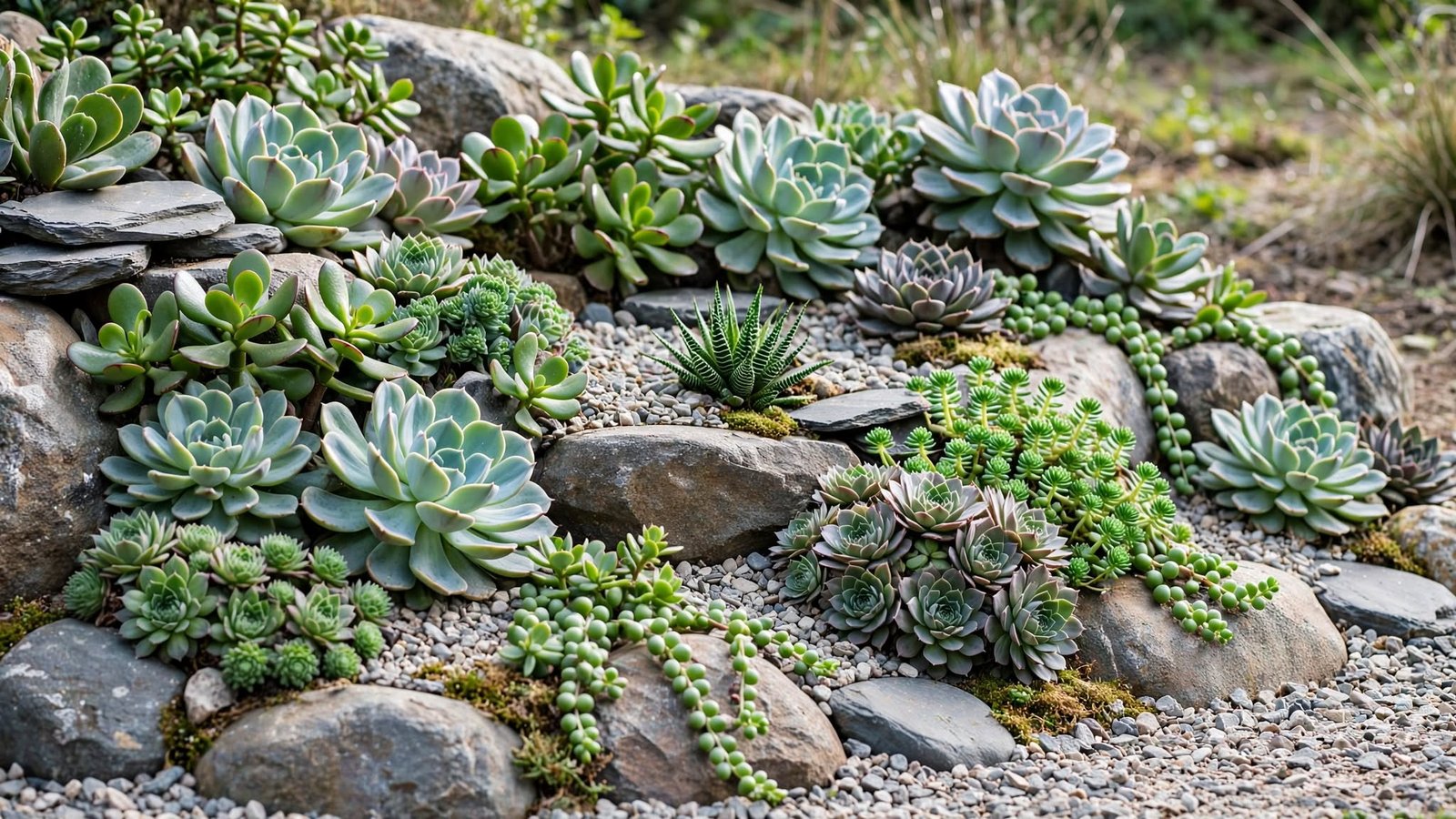
Building a succulent rock garden transforms an ordinary yard into a sculptural, low-water landscape that looks beautiful all year long. These resilient plants thrive where soil drains fast and rainfall is scarce, making them ideal for slopes, borders, and dry patches that challenge other plantings.
A well-planned succulent rock garden pairs bold texture with effortless maintenance, so you can enjoy dramatic form and color without constant watering. The ideas below cover everything from tiny container arrangements to sweeping hillside designs that turn stone and succulents into living art.
What Makes a Succulent Rock Garden Work Beautifully
Smart design choices turn stone and succulents into a landscape that lasts.
- Drainage First: Fast-draining soil keeps roots healthy and prevents rot in every succulent rock garden.
- Stone Selection: Choose rocks that match your region for a natural, cohesive look.
- Sun Exposure: Most succulents need six or more hours of direct light each day.
- Color Contrast: Mix blue, burgundy, and lime varieties for visual depth.
- Layering Heights: Combine tall rosettes, mounding types, and ground covers.
- Watering Habits: Soak deeply but infrequently once plants are established.
- Seasonal Interest: Add a few cold-hardy types for winter structure.
- Mulch Alternatives: Gravel and pebbles suppress weeds and retain warmth.
1. Hillside Succulent Rock Garden with Layered Stone Terraces
Imagine a sloping yard turned into a succulent rock garden with stacked stone terraces that slow runoff and hold precious moisture. Each level creates its own microclimate, letting you grow rosette types, trailing varieties, and colorful ground covers side by side in one dramatic hillside display.
A terraced succulent rock garden also solves erosion problems while giving every plant the sharp drainage it craves. The result feels intentional, sculptural, and remarkably easy to maintain.
2. Compact Container Succulent Rock Garden for Small Patios
Picture a wide, shallow bowl packed with pebbles and tiny succulents, a miniature succulent rock garden that fits on any balcony or windowsill. This approach lets apartment dwellers enjoy the same sculptural beauty as a full landscape, just scaled down to a tabletop.
Because the container drains quickly, a potted succulent rock garden rarely suffers from rot. Rearrange the stones and plants each season for a fresh look.
3. Desert-Inspired Succulent Rock Garden with Gravel Mulch
Discover how a gravel topdressing pulls together a desert-style succulent rock garden, echoing the arid landscapes where these plants evolved. Warm-toned pebbles reflect heat, keep foliage dry, and make every rosette stand out like a jewel against neutral ground.
This style of succulent rock garden needs almost no watering once established. It also suppresses weeds naturally and looks tidy through every season.
4. Modern Geometric Succulent Rock Garden with Clean Lines
Consider a contemporary succulent rock garden built from angular pavers and precise gravel beds. Straight edges and repeating shapes give the design a gallery-like quality, while the organic forms of the plants soften the geometry and add life.
This kind of succulent rock garden suits urban courtyards and minimalist homes. It proves that low-water landscaping can feel sleek, intentional, and unmistakably modern.
5. Rustic Succulent Rock Garden with Reclaimed Boulders
Anchor a naturalistic succulent rock garden with weathered boulders salvaged from old walls or farms. Their mossy, uneven surfaces contrast beautifully with the smooth geometry of echeveria and sedum, creating a scene that looks decades old from day one.
A rustic succulent rock garden invites moss, lichen, and pollinators, turning a simple planting bed into a small ecosystem. It ages gracefully with every passing year.
6. Colorful Succulent Rock Garden with Bold Rosette Varieties
Layer a succulent rock garden with purple aeonium, blue echeveria, and lime sedum to build a living palette. Color becomes the design tool here, with each plant chosen for how it plays against its neighbors and the surrounding stone.
A colorful succulent rock garden shifts through the seasons, deepening in tone during cool months. It delivers maximum visual impact with minimal water and fuss.
7. Front Yard Succulent Rock Garden with Curb Appeal
Build curb appeal with a front yard succulent rock garden that replaces thirsty lawn with sculptural stone and drought-tolerant plants. A curved border of gravel and boulders frames the entry, welcoming visitors while cutting water bills dramatically.
This succulent rock garden looks polished in every season and requires far less mowing, fertilizing, and irrigation than traditional turf. It is a smart upgrade for any climate.
8. Cottage-Style Succulent Rock Garden with Soft Textures
Bring cottage charm to a succulent rock garden by tucking hens and chicks between rounded stones and letting them spill over edges. The soft, plump forms soften hardscape lines and create a relaxed, lived-in feel that suits informal gardens.
A cottage succulent rock garden pairs well with lavender, thyme, and other drought-tolerant herbs. Together they form a fragrant, low-care tapestry.
9. Zen Succulent Rock Garden with Raked Gravel Patterns
Transform a quiet corner into a meditative succulent rock garden with raked gravel, a few carefully placed stones, and clusters of rosette plants. The patterns in the gravel evoke rippling water, while the succulents add living texture and quiet color.
This style of succulent rock garden invites slow contemplation and needs almost no upkeep. A light rake through the gravel refreshes the whole composition.
10. Slope-Stabilizing Succulent Rock Garden for Erosion Control
Frame a difficult slope with a succulent rock garden designed to hold soil in place. Deep-rooted sedums and tightly packed stonework slow runoff, while the plants knit the surface together into a living mat that resists washing out.
This practical succulent rock garden turns a problem area into a feature. It controls erosion naturally and looks far better than bare dirt or failing grass.
11. Alpine Succulent Rock Garden with Mountain-Style Planting
Explore an alpine-inspired succulent rock garden that mimics high-elevation scree slopes with sharp drainage and gritty soil. Small, tight-growing succulents nestle between stones exactly as they would in mountain habitats, thriving in the lean conditions.
An alpine succulent rock garden rewards gardeners in cold climates with hardy varieties that shrug off frost. It brings a piece of the mountains to any backyard.
12. Drought-Tolerant Succulent Rock Garden for Arid Climates
Shape a water-wise succulent rock garden specifically for hot, dry regions where rainfall is scarce and summers are brutal. Sun-loving agave, aloe, and portulacaria thrive in these conditions, needing only occasional deep watering to look their best.
In arid climates a succulent rock garden can survive on rainfall alone after the first year. It delivers lush texture without the burden of constant irrigation.
13. Winter-Hardy Succulent Rock Garden for Cold Regions
Define a four-season succulent rock garden using cold-hardy types like sempervivum and opuntia that tolerate freezing temperatures and snow. These rugged plants bring structure and color to the garden even in the depths of winter.
A hardy succulent rock garden needs excellent drainage to survive wet winters. Raised beds and gravel mulch protect the roots and prevent rot during thaws.
14. Vertical Succulent Rock Garden on a Retaining Wall
Introduce a vertical succulent rock garden by planting pockets between the stones of a retaining wall. Trailing varieties cascade down the face, softening the hard structure and turning a plain wall into a living, breathing tapestry of texture.
A vertical succulent rock garden maximizes growing space in tight yards and adds height without consuming ground area. It is a clever solution for sloped properties.
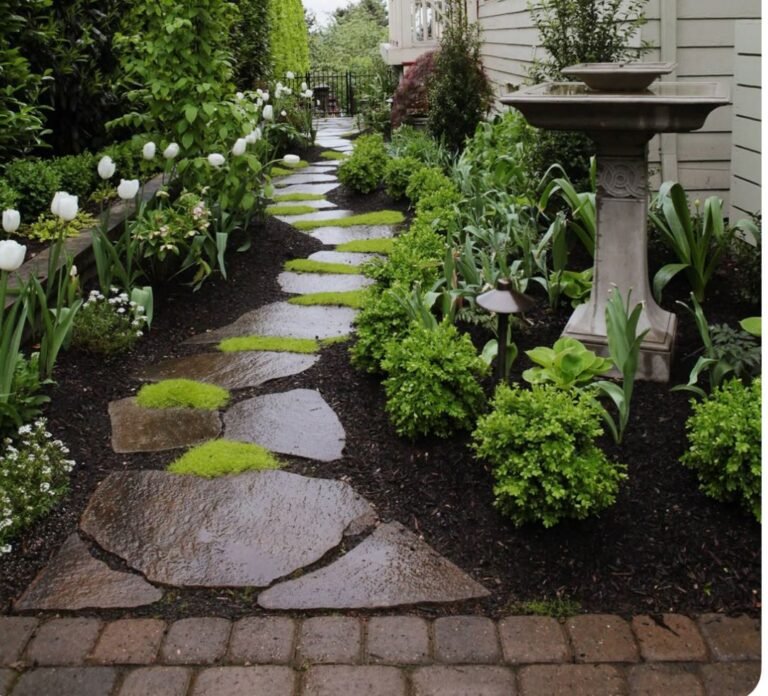
15. Succulent Rock Garden Border Along a Garden Path
Suspend expectations of a plain path edge and line your walkway with a succulent rock garden border instead. Low-growing sedums and tiny stonecrops spill over gravel and flagstone, guiding footsteps while adding color and texture at ankle height.
A path-side succulent rock garden frames the journey through your landscape. It stays tidy with almost no trimming and looks beautiful in every season.
16. Succulent Rock Garden Around a Dry Creek Bed
Ground a dry creek bed with a succulent rock garden planted along its banks. River rocks and gravel mimic a natural wash, while succulents cluster at the edges like vegetation clinging to a seasonal stream, creating a scene that feels both wild and deliberate.
This succulent rock garden manages stormwater while looking like a landscape feature. It channels runoff and turns a drainage solution into a design highlight.
17. Succulent Rock Garden in a Raised Stone Bed
Position a raised stone bed as the centerpiece of a succulent rock garden, lifting the plants closer to view and improving drainage at the same time. The walled structure defines the space, while the succulents inside create a dense, jewel-like carpet.
A raised succulent rock garden warms faster in spring and drains freely in winter. It is an ideal setup for gardeners with heavy clay soil or limited mobility.
18. Succulent Rock Garden with a Focal Boulder Feature
Fill a garden bed with a single dramatic boulder surrounded by a succulent rock garden, letting one strong element anchor the whole composition. Smaller stones and plants radiate outward, drawing the eye and giving the space a clear focal point.
A focal-boulder succulent rock garden feels intentional and grounded. The stone provides year-round structure even when the plants are dormant or in bloom.
19. Succulent Rock Garden with Mixed Pebble Sizes
Place pebbles of varying sizes throughout a succulent rock garden to create rhythm and visual interest. Large stones provide weight, medium rocks add structure, and fine gravel knits everything together, mimicking the natural sorting found in riverbeds.
This technique in a succulent rock garden makes the design feel organic and effortless. The mix of textures also helps retain moisture around plant roots.
20. Succulent Rock Garden with a Water-Wise Plant Palette
Craft a succulent rock garden built entirely around water-wise plants that thrive on neglect. Agave, sedum, sempervivum, and delosperma form a resilient community that needs little more than sunshine and occasional deep watering.
A water-wise succulent rock garden cuts irrigation needs to a fraction of a traditional bed. It also attracts bees and butterflies during the warmer months.
21. Succulent Rock Garden with Trailing Spillers
Draw the eye downward with a succulent rock garden that features trailing spillers cascading over rocks and ledges. String of pearls, donkey tail, and creeping sedum soften hard edges and add a sense of movement to the composition.
Trailing plants in a succulent rock garden create depth and invite closer inspection. They work especially well on slopes, walls, and raised beds.
22. Succulent Rock Garden with Bold Agave Statements
Elevate a succulent rock garden with a striking agave as the centerpiece, its spiky silhouette contrasting sharply with rounded stones and low rosettes. The plant becomes living sculpture, anchoring the bed with dramatic form and architectural presence.
Agave in a succulent rock garden needs plenty of space and sharp drainage. Given those conditions, it rewards with decades of bold, low-care beauty.
23. Succulent Rock Garden with Seasonal Bulb Companions
Reveal a succulent rock garden that comes alive with spring bulbs tucked between the stones. Daffodils, grape hyacinths, and species tulips push through gravel early in the year, then fade as the succulents take center stage for summer.
Pairing bulbs with a succulent rock garden extends the season of interest. The two plant groups share the same love of sharp drainage and full sun.
24. Succulent Rock Garden with Native Stone and Gravel
Embrace local materials by building a succulent rock garden from native stone and regionally sourced gravel. The palette feels rooted in the landscape, and the plants settle in more easily when the mineral environment matches their surroundings.
A native-material succulent rock garden blends seamlessly with the wider yard. It also reduces the carbon footprint of transporting heavy stone long distances.
25. Succulent Rock Garden with a Sculptural Driftwood Accent
Capture attention with a piece of weathered driftwood rising from a succulent rock garden like a natural sculpture. The silvery wood contrasts with green rosettes and gray stones, adding organic movement and a touch of coastal character.
Driftwood in a succulent rock garden creates a strong vertical element without blocking light. It pairs beautifully with trailing sedums and small echeveria.
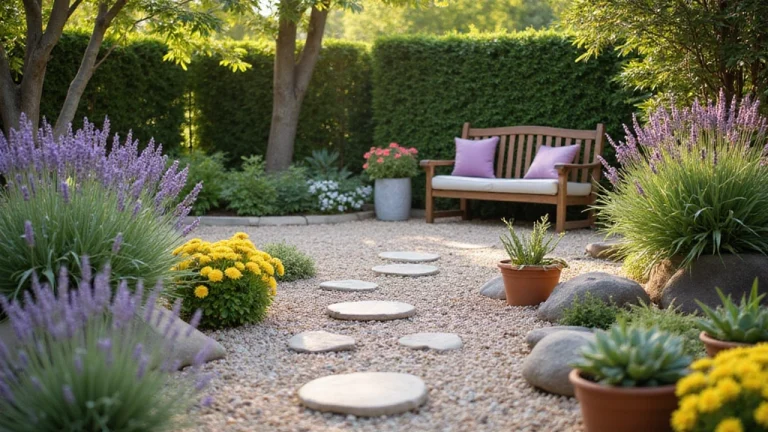
26. Succulent Rock Garden with a Stepping Stone Pathway
Notice how stepping stones invite you to wander through a succulent rock garden, each paver set into gravel with plants tucked into the gaps. The path becomes part of the design, guiding the eye and encouraging exploration of the whole bed.
Stepping stones in a succulent rock garden also protect the soil from compaction. They let you tend the plants without stepping on delicate rosettes.
27. Succulent Rock Garden with Dramatic Night Lighting
Reflect the sculptural forms of a succulent rock garden with low-voltage uplights tucked behind boulders. After dark, the plants cast soft shadows on the stones, turning the bed into a dramatic nighttime display that extends its beauty past sunset.
Lighting a succulent rock garden also highlights texture and color that go unnoticed in daylight. Solar fixtures make the upgrade simple and energy-free.
28. Succulent Rock Garden with a Mediterranean Herb Mix
Invite fragrance and flavor into a succulent rock garden by interplanting rosemary, thyme, and oregano among the stones. These Mediterranean herbs share the same sun and drainage needs as succulents, creating a functional and beautiful planting.
A herb-filled succulent rock garden doubles as a kitchen resource. Snip sprigs for cooking while enjoying the pollinator activity the flowers attract.
29. Succulent Rock Garden with a Bold Color Block Design
Open up new design possibilities with a succulent rock garden arranged in bold color blocks, where each section features a single hue or tone. Massed plantings of red, gold, and silver succulents create a graphic, modern effect that reads clearly from a distance.
Color-blocked plantings in a succulent rock garden look especially striking on slopes and large beds. They turn the garden into a living piece of abstract art.
30. Succulent Rock Garden with a Wildlife-Friendly Twist
Blend beauty with habitat by designing a succulent rock garden that welcomes pollinators, lizards, and beneficial insects. Flat stones provide basking spots, while flowering sedums and sempervivum offer nectar through the warm months.
A wildlife-friendly succulent rock garden supports local ecosystems while staying low-maintenance. It becomes a small sanctuary that hums with life all season.
Frequently Asked Questions
Q. How often should I water a succulent rock garden?
Ans. Water a succulent rock garden deeply but infrequently, letting the soil dry completely between sessions.
Q. What kind of soil works best in a succulent rock garden?
Ans. Use a gritty, fast-draining mix of coarse sand, gravel, and compost for any succulent rock garden.
Q. Can a succulent rock garden survive freezing winters?
Ans. Yes, if you choose cold-hardy varieties and ensure sharp drainage, a succulent rock garden can overwinter outdoors.
Conclusion
A succulent rock garden offers a beautiful, low-water solution for almost any landscape, from tiny patios to sprawling slopes. By choosing the right stones, plants, and drainage, you create a space that thrives with minimal care.
Whether you prefer a modern color-block design or a rustic alpine scene, these thirty ideas prove that a succulent rock garden can suit any style and climate. Start with a small bed and let it grow.