20 Stunning Japanese Maple Tree Garden Concepts for Your Landscape
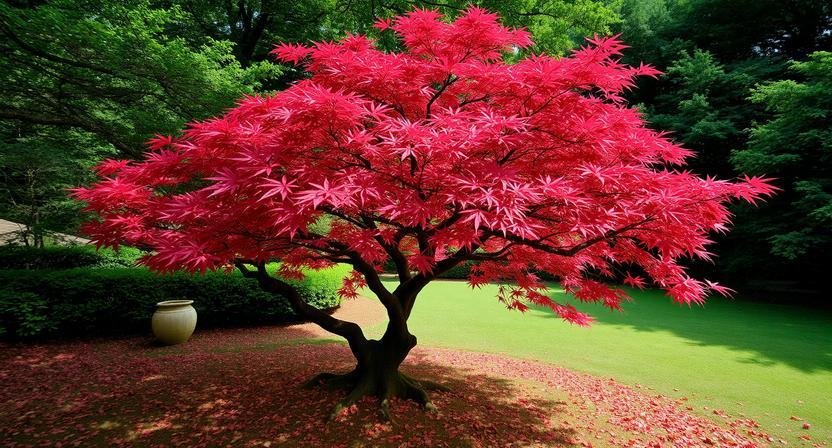
A japanese maple tree garden offers a serene and vibrant focal point for any outdoor space. These elegant trees provide year-round interest with their delicate leaves and stunning fall color, transforming your yard into a living masterpiece.
Creating a japanese maple tree garden involves thoughtful placement and complementary plantings that enhance the tree’s natural beauty. From compact courtyards to expansive landscapes, these design ideas will inspire your next gardening project.
Designing Your Japanese Maple Tree Garden
Essential tips for a breathtaking landscape feature.
- Choose the Right Cultivar: Select a variety suited to your climate and space.
- Consider Sun Exposure: Most maples prefer morning sun and afternoon shade.
- Plan for Soil Drainage: Ensure well-draining, slightly acidic soil for healthy roots.
- Add Underplantings: Use hostas, ferns, and moss for a layered look.
- Incorporate Hardscape: Use stones, paths, or benches to frame the tree.
- Think About Scale: Allow enough room for the tree’s mature size.
- Use Mulch Wisely: Apply organic mulch to retain moisture and suppress weeds.
- Prune for Form: Remove dead branches to maintain an elegant silhouette.
1. Imagine a japanese maple tree garden with a winding stone path
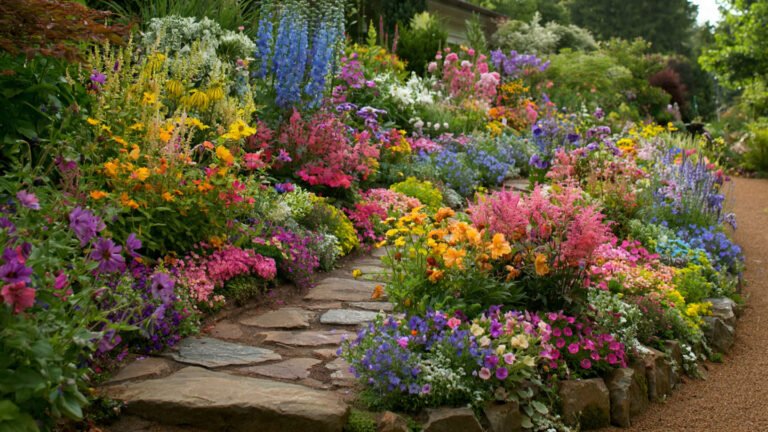
Imagine a japanese maple tree garden where a winding stone path leads visitors through a tranquil landscape. The soft crunch of gravel underfoot complements the rustling leaves above, creating a meditative experience in your own backyard.
This design uses large, irregular flagstones nestled among moss and small ferns. The path curves gently around the maple, encouraging slow exploration and appreciation of the tree’s intricate branching structure.
2. Picture a japanese maple tree garden framed by a wooden arbor
Picture a japanese maple tree garden framed by a rustic wooden arbor that marks the entrance to a secret garden. The arbor provides vertical interest while the maple serves as the centerpiece, drawing the eye inward.
Climbing vines or wisteria can adorn the arbor, adding fragrance and color. This entryway creates a sense of anticipation and discovery as you step into the shaded retreat.
3. Discover a japanese maple tree garden with a tranquil koi pond
Discover a japanese maple tree garden that incorporates a small koi pond for a truly zen atmosphere. The reflection of the maple’s fiery leaves on the water’s surface doubles the visual impact and adds a sense of calm.
Place the tree near the pond’s edge so its branches extend over the water. The sound of a gentle waterfall or bubbling fountain enhances the peaceful ambiance of this water feature.
4. Consider a japanese maple tree garden in a shaded courtyard
Consider a japanese maple tree garden designed for a small, shaded courtyard where space is at a premium. A compact laceleaf maple thrives in dappled light, offering intricate foliage that softens hard walls and paving.
Add a simple bench or a few large pottery vessels to complete the scene. The enclosed nature of a courtyard makes the maple feel intimate and protected from the elements.
5. Anchor a japanese maple tree garden with a large boulder
Anchor a japanese maple tree garden with a substantial, moss-covered boulder placed near the base of the tree. This natural element grounds the design and provides a visual counterpoint to the delicate leaves above.
The boulder can serve as a sculptural accent or a practical seating spot. Surround it with low-growing groundcovers like creeping jenny or thyme to soften the transition between stone and soil.
6. Layer a japanese maple tree garden with colorful hostas
Layer a japanese maple tree garden with a variety of hostas in shades of blue, green, and gold. The broad leaves of the hostas contrast beautifully with the fine-textured maple foliage, creating depth at ground level.
Choose hostas that thrive in partial shade to match the maple’s preferred conditions. This combination ensures a lush, full look from spring through fall with minimal maintenance.
7. Build a japanese maple tree garden around a central stepping stone
Build a japanese maple tree garden with a single, large stepping stone placed directly beneath the canopy. This creates a natural viewing platform where you can stand and admire the tree’s structure from within.
Surround the stone with a ring of small pebbles or fine gravel to define the area. This simple hardscape element invites you to pause and connect with the garden on a personal level.
8. Bring a japanese maple tree garden to life with ornamental grasses
Bring a japanese maple tree garden to life by adding ornamental grasses that sway in the breeze. The fine, arching blades of Japanese forest grass or hakonechloa complement the maple’s delicate leaves perfectly.
Use grasses as a border or mass planting around the tree’s base. Their movement adds a dynamic quality to the garden, especially when light filters through the maple canopy.
9. Transform a japanese maple tree garden with a gravel bed
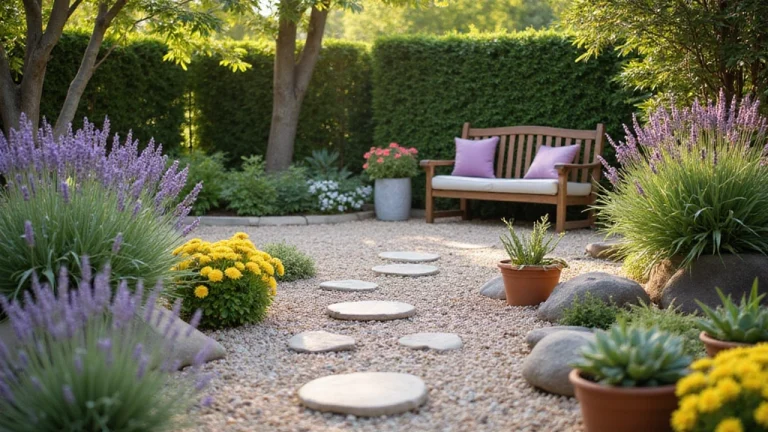
Transform a japanese maple tree garden by replacing traditional lawn with a raked gravel bed. This dry landscape approach, inspired by Zen gardens, emphasizes the maple as the primary focal point while reducing maintenance.
Rake the gravel into gentle patterns that mimic water currents. Place a few carefully selected rocks or a small lantern nearby to enhance the minimalist aesthetic and sense of tranquility.
10. Frame a japanese maple tree garden with a low stone wall
Frame a japanese maple tree garden with a low, dry-stacked stone wall that defines the planting area. The wall provides structure and prevents soil erosion while adding a timeless, natural look to the landscape.
Plant creeping sedums or small alpine plants in the crevices of the wall for added charm. The warm tones of the stone complement the red and orange hues of the maple’s autumn foliage.
11. Explore a japanese maple tree garden with a bamboo accent
Explore a japanese maple tree garden that incorporates bamboo as a vertical accent or screen. The upright, green canes of bamboo contrast with the spreading habit of the maple, creating a dynamic interplay of forms.
Use clumping bamboo varieties to avoid invasive spread. The rustling sound of bamboo leaves in the wind adds an auditory layer to the visual beauty of the maple garden.
12. Shape a japanese maple tree garden with a curved border
Shape a japanese maple tree garden with a gently curved border made of low-growing boxwood or lavender. The soft, flowing line of the border guides the eye and creates a sense of movement around the tree.
This organic shape softens the edges of the garden bed and integrates the maple into the broader landscape. It also provides a neat, defined boundary that keeps the design looking polished year-round.
13. Define a japanese maple tree garden with a moss carpet
Define a japanese maple tree garden by establishing a lush moss carpet beneath the canopy. Moss thrives in the same shaded, moist conditions that maples prefer, creating a seamless, verdant ground cover.
The soft texture of moss contrasts with the tree’s woody trunk and provides a serene, uniform base. This combination is especially effective in woodland-style gardens where a natural, undisturbed look is desired.
14. Introduce a japanese maple tree garden with a lantern focal point
Introduce a japanese maple tree garden that features a traditional stone lantern as a secondary focal point. The lantern adds cultural authenticity and provides a warm glow when illuminated at dusk.
Position the lantern slightly off-center from the tree to create a balanced composition. Its solid, enduring form contrasts with the delicate, seasonal changes of the maple leaves.
15. Suspend a japanese maple tree garden in a container display
Suspend a japanese maple tree garden in a large, decorative container for a portable landscape feature. This approach is ideal for patios, balconies, or small spaces where in-ground planting is not possible.
Choose a dwarf maple variety and a pot with good drainage. The container elevates the tree, making it a prominent feature that can be moved to highlight seasonal changes or special occasions.
16. Ground a japanese maple tree garden with a ring of pebbles
Ground a japanese maple tree garden with a carefully placed ring of smooth river pebbles around the tree’s base. This clean, modern approach defines the root zone and prevents weed growth while adding visual texture.
The pebbles also help retain soil moisture and regulate temperature. Choose pebbles in neutral tones like gray or beige to let the maple’s vibrant foliage remain the star of the show.
17. Position a japanese maple tree garden near a water feature
Position a japanese maple tree garden adjacent to a small waterfall or bubbling urn for a multisensory experience. The sound of moving water masks street noise and creates a soothing backdrop for relaxation.
The moisture from the water feature benefits the maple’s shallow root system. This pairing is especially effective in creating a microclimate that supports lush growth and vibrant leaf color.
18. Fill a japanese maple tree garden with seasonal bulbs
Fill a japanese maple tree garden with spring-blooming bulbs like crocus, scilla, or miniature daffodils. These early flowers provide a burst of color before the maple leafs out, extending the garden’s seasonal interest.
Plant the bulbs in naturalistic drifts around the tree’s drip line. As the maple canopy fills in, the bulb foliage dies back, making way for the tree’s summer display of delicate green leaves.
19. Place a japanese maple tree garden in a rock garden setting
Place a japanese maple tree garden within a rock garden for a dramatic, alpine-inspired look. The rugged texture of the rocks provides a striking contrast to the tree’s elegant, flowing form and delicate leaves.
Use a mix of large and small stones to create a naturalistic arrangement. Low-growing succulents or dwarf conifers can fill the gaps, adding year-round structure and complementing the maple’s seasonal changes.
20. Craft a japanese maple tree garden with a wooden bench
Craft a japanese maple tree garden that includes a simple wooden bench placed to face the tree. This invites quiet contemplation and provides a comfortable spot to enjoy the changing colors throughout the seasons.
Position the bench in partial shade for comfort during warmer months. The combination of the bench and the maple creates a welcoming nook that encourages you to slow down and appreciate nature’s beauty.
Frequently Asked Questions
Q. How much sun does a japanese maple tree garden need?
Ans. A japanese maple tree garden thrives best with morning sun and afternoon shade to prevent leaf scorch.
Q. What soil is best for a japanese maple tree garden?
Ans. A japanese maple tree garden requires well-draining, slightly acidic soil rich in organic matter for healthy growth.
Q. Can I grow a japanese maple tree garden in a container?
Ans. Yes, a japanese maple tree garden can be grown in a large container with proper drainage and regular watering.
Conclusion
Creating a japanese maple tree garden is a rewarding endeavor that brings beauty and tranquility to any outdoor space. Whether you choose a minimalist Zen design or a lush woodland setting, the maple tree serves as a stunning focal point that evolves with the seasons.
By incorporating complementary plants, hardscape elements, and thoughtful placement, your japanese maple tree garden will become a cherished retreat for years to come. Start planning your design today and enjoy the timeless elegance of these remarkable trees.